The Names of God 9: Jehovah Rophe is the ninth message in the series An Introduction to God, and it reveals God as the Lord who heals. The pastor takes the church to the bitter waters of Marah in Exodus 15, where Israel had gone three days without water, and shows how a tree thrown into the pool made the water sweet. That tree, he teaches, points to the cross, and Jehovah Rophe wants to heal His people spiritually, physically and emotionally, starting with the guilt and condemnation that plague so many believers.
This message follows An Introduction to God: The Names of God #8 — Jehovah Nissi, the Lord My Banner. Below you will find the video, a summary, the Scripture behind each point (NKJV on Bible Gateway), a timestamped outline and practical steps.
Sermon at a Glance
This is a New Year message, posted in January 2024, and it opens the church’s January fast. The pastor greets the congregation by saying the year will bring challenges, but more breakthroughs than they can imagine. He then returns to his series and explains that he has now reached the redemptive names of God, the names joined to Jehovah that bring people back to an understanding of who God is and what He does for them.
He pronounces the name Jehovah Rafa; it is the same name usually written Jehovah Rophe. He closes by praying that the church would grow in intimacy with Jehovah Rophe through the month of fasting.
| Detail | Information |
|---|---|
| Speaker | The pastor (not named in the recording) |
| Series | An Introduction to God: The Names of God (#9) |
| Main text | Exodus 15:22–26 |
| Key theme | Jehovah Rophe heals body, soul and emotions, beginning with guilt |
| Length | About 76 minutes, ending in prayer for the January fast |
An Introduction to God Who Reveals Himself
The pastor explains why he calls the series An Introduction to God. When Adam fell, humanity was separated from God, and from then on people had to be introduced to Him again. God did that in many ways and at many times through the prophets, and in these last days He has spoken through His Son (Hebrews 1:1–2). Every one of these names, Jehovah Rophe included, is seen purely in Jesus Christ.
He stresses that the names have to be read in their context in Scripture, because that is what makes them personal. When Moses asked God at the burning bush what name to give Israel, God answered with the name I AM WHO I AM (Exodus 3:14). It can sound vague, the pastor admits, but what God was saying is that He is everything you need and everything you will ever need.
Each name was revealed in a different situation, and God still keeps showing His people who He is for them, always fresh. That is why he urges believers to stay in the Word and wait on the Lord. Many Christians, he says, get into problems, worry and start begging God, but that is not Christianity. We are to come boldly to the throne of grace to find mercy and grace in time of need (Hebrews 4:16).
Without faith it is impossible to please God (Hebrews 11:6), and working hard to become a better person does not impress Him. The pastor confesses he used to be a workaholic until, on one family vacation, the Lord dealt with him and he simply played with his children. It broke something in him so that God could be greater for him.
The Bitter Waters of Marah
The story begins in Exodus 15:22–26. Israel had just seen the Red Sea part and the Egyptian army drown. Moses led them into the Wilderness of Shur, and they went three days in the wilderness and found no water. They were not wandering on their own; the pillar of cloud and the pillar of fire led them every step, and still they arrived at a place with no water.
He notes that a person can go many days without food but not without water, and three days in a dusty desert is a desperate situation. He tells of a mission trip to the mountains of Togo in West Africa, where he walked about three miles down a mountain to baptize new believers in a small pool, bringing no water.
On the climb back, with dust like baby powder in the air and heat in the nineties, he became so dry that he prayed for the Lord to send someone. A man on a motorcycle came along a goat path and carried him to the top, where he gulped a bottle of hot water from the truck. When you are that thirsty, he says, it is bad.
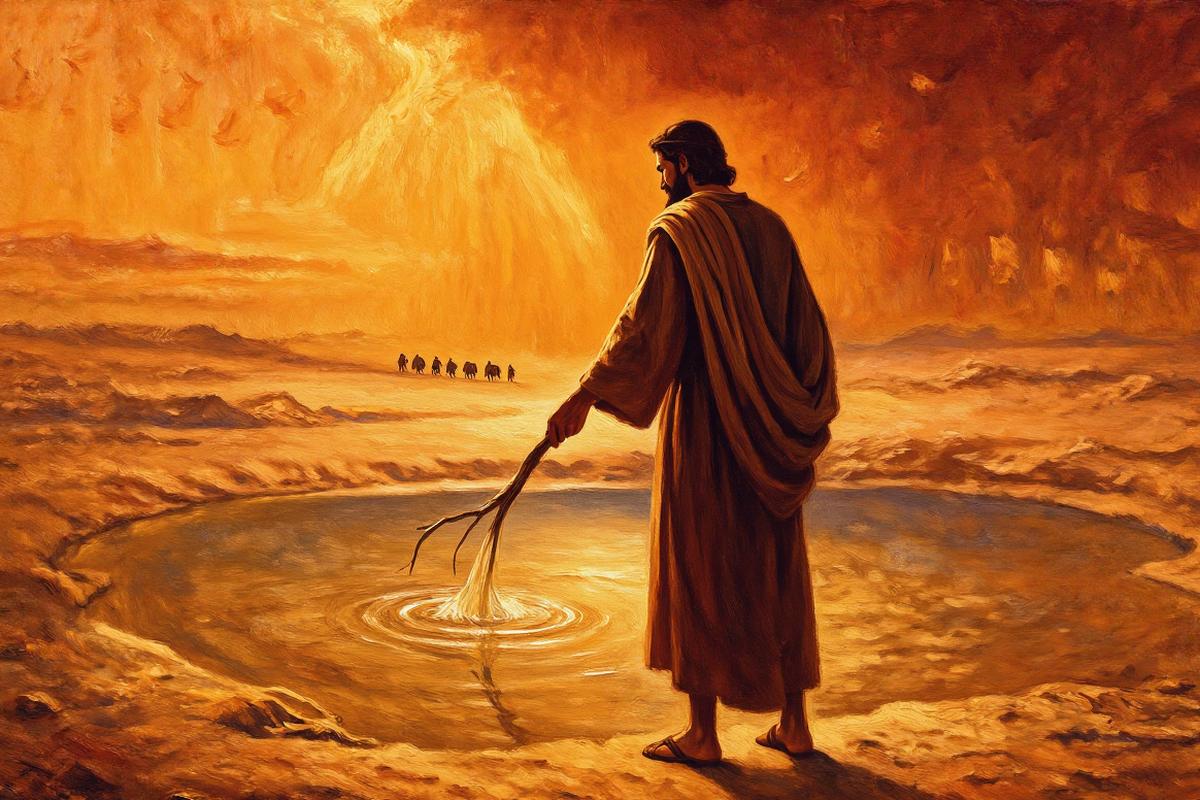
When Israel finally found water at Marah, a name that means bitter, they could not drink it, and the people complained against Moses. The pastor jokes that he would have told them to quit murmuring or he would give them something to murmur about. Moses did something better: he cried out to the Lord, and the Lord showed him a tree.
The Names of God 9: Jehovah Rophe, the Lord Who Heals
When Moses cast the tree into the water, the waters were made sweet. The pastor calls this a type and shadow of the cross, because Jesus was hung on a tree. When we give our lives to Jesus Christ, our lives become sweet. There God made a statute and an ordinance, and promised that if Israel would diligently heed His voice, He would put none of the diseases on them that He had brought on the Egyptians, “for I am the LORD who heals you.”
That is the revelation of Jehovah Rophe: the Lord who heals, or as the pastor puts it, Jehovah your physician. The table below follows how he reads the scene.
| At Marah | What the pastor sees in it |
|---|---|
| Three days without water | A desperate need, even while following God’s leading |
| Bitter water (Marah) | The bitterness, wounds and guilt people carry |
| The tree cast into the pool | The cross of Jesus, which makes a life sweet |
| Diligently heed His voice | Reading and hearing God’s Word daily as medicine |
| “I am the LORD who heals you” | Jehovah Rophe, the physician who heals every part of life |
God’s Word, he teaches, is not just a book; it is medicine. Faith comes by hearing, and hearing by the Word of God (Romans 10:17), which he describes as hearing and keeping on hearing. When you read aloud, you hear with the outer ear and the inner ear, and you believe your own voice more than anyone else’s. So he recommends reading the Bible out loud.
He compares the Word to a time-release cold capsule whose beads keep going off. When you hear the Word daily, Jehovah Rophe keeps working in you through it. It is preventive medicine. God is not asking much, he says: keep reading the Word, keep hearing it, and your health shall spring forth speedily (Isaiah 58:8).
Moses accepted this covenant with Jehovah Rophe, and the pastor points to the outcome in Deuteronomy 34:7: Moses was 120 years old when he died, his eyes were not dim, and his natural vigor was not diminished. He adds Joshua and Caleb, who in their old age were still taking cities and asking for more territory. God’s Word is a lamp to our feet and a light to our path (Psalm 119:105), and Jehovah Rophe wants His people to grow old active, vigorous and able to accomplish things.
The Same God in Both Covenants
Some say the God of the Old Testament is a harsh judge and the God of the New is love. The pastor answers that it is the same God under a different covenant. To show it, he reads Exodus 34:5–6, where the Lord came down in the cloud, under the old covenant, and proclaimed His name: “The LORD, the LORD God, merciful and gracious, longsuffering, and abounding in goodness and truth.”
That does not sound different from the New Testament, he says. Jesus Christ is the same yesterday, today and forever (Hebrews 13:8). God is love (1 John 4:16). Judgment is something He does; love is who He is. Even with Adam, God did not curse him in anger. He told Adam the consequences: the ground would bring thorns and thistles, and he would eat bread in the sweat of his face (Genesis 3:17–19).
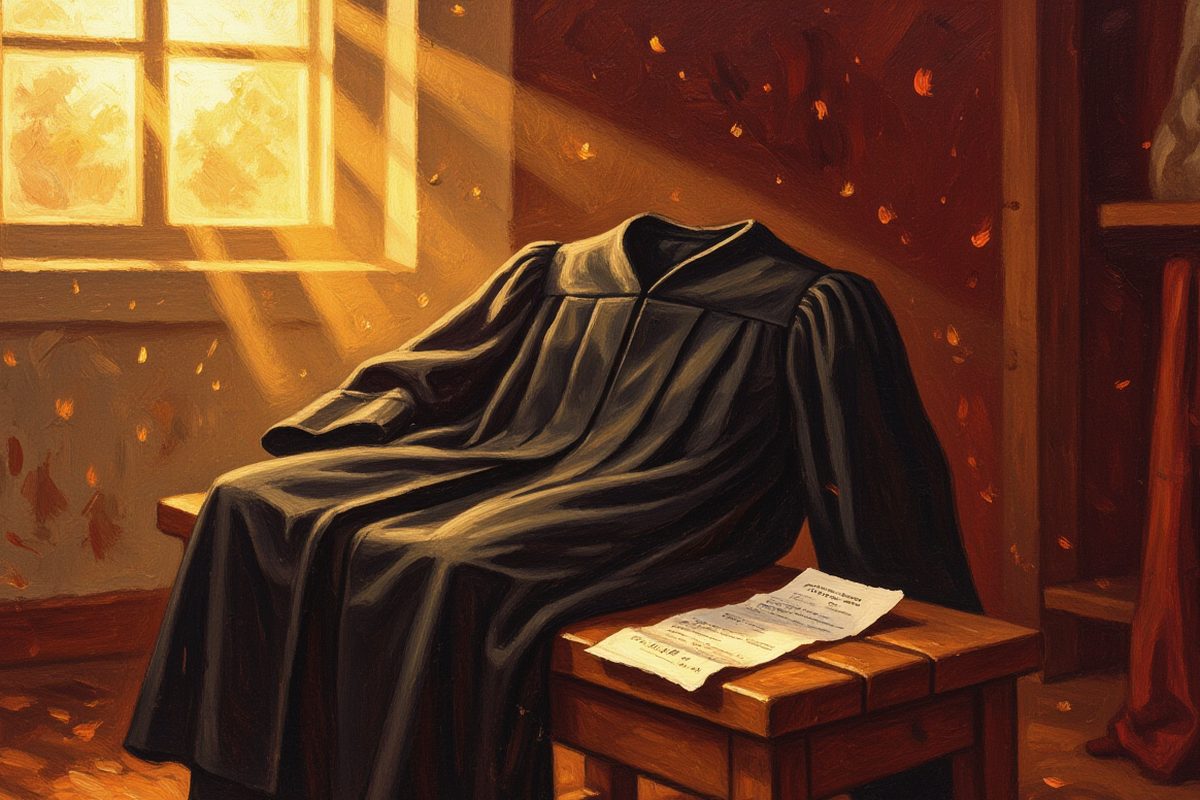
He illustrates it with a man arrested for something he did not know was illegal, whose close friend was the judge. The judge found him guilty and fined him $1,000, then took off his robe, came around the bench and paid the fine himself. Same man, the pastor says. That is what Jesus did: He agreed we were guilty and paid the price on the cross.
Every good and perfect gift comes from the Father of lights, with whom there is no variation or shadow of turning (James 1:17). Sowing and reaping still apply (Galatians 6:7), and problems will come in a fallen world. But when believers become intimate with God through His Word, those problems no longer unravel them. They can say: I know Him, and He has got this.
Healed From Guilt and Condemnation
The pastor turns to Psalm 103:1–4: “Bless the LORD, O my soul; and all that is within me, bless His holy name!” We bless our souls, he says, by the Word and by waiting on God, because we prosper and are in health just as our souls prosper (3 John 2). Laughter is medicine too (Proverbs 17:22); when you laugh, you stop giving your attention to the problem.
The psalm lists the benefits of knowing God. He forgives all your iniquities and heals all your diseases, which the pastor applies to physical, emotional and mental conditions. He redeems your life from destruction and crowns you with lovingkindness and tender mercies. He does not crown you with guilt and condemnation, and the pastor says plainly: “your biggest enemy is not Satan your biggest enemy is guilt and condemnation.”
The good news of Jehovah Rophe is that there is now no condemnation to those who are in Christ Jesus (Romans 8:1–2). How much guilt should a Christian carry? Zero. Left alone, he says, guilt and condemnation become a plague.
At age eleven, at a lake where local kids swam, he called an older girl by the wrong name; she laughed and walked on. For months he woke at night feeling condemned over it. That is the plague, he says, and Jehovah Rophe wants to take it away. It is the little foxes that spoil the vines (Song of Solomon 2:15).
Some churches think guilt and condemnation will make people do better, he adds, but it does the opposite. God has removed our sins as far as the east is from the west (Psalm 103:11–12). If you do wrong, ask forgiveness and move on. Jehovah Rophe even says, “Return, you backsliding children, and I will heal your backslidings” (Jeremiah 3:22).
The greatest effort in our relationship with God, he says, is resting in what He does. There remains a rest for the people of God, so let us be diligent to enter that rest (Hebrews 4:9–11). The Lord will perfect that which concerns me (Psalm 138:8).
Grief is another burden he warns against carrying. The world says time heals all wounds, but in time everyone is wounded, and everyone wounds others too. Great peace have those who love God’s law, and nothing causes them to stumble (Psalm 119:165). Rather than judging people in a hard season, walk through it with them; spring always came after the long Upper Peninsula winters he lived through.
A Bundle of Myrrh and a Fast God Chooses
Jesus read that the Spirit of the Lord had anointed Him to heal the brokenhearted and set at liberty those who are oppressed (Luke 4:18–19). The pastor describes God’s medicine cabinet: laying hands on the sick so they recover (Mark 16:18), prayer cloths, and calling the elders to anoint with oil and pray the prayer of faith (James 5:14–15).
He shares a tent crusade testimony from Uganda. A woman whose husband came home drunk and on drugs received his handkerchief to put under her husband’s pillow. The next night she returned smiling: when her husband laid his head down, he jumped up calling out to Jesus, knelt by the bed and gave his life to the Lord. He came forward, sober, and confirmed it.
God asks, “Is there no balm in Gilead, is there no physician there?” (Jeremiah 8:22). There is a Healer in the house, the pastor says: Jehovah Rophe. On the cross, Jesus refused the myrrh offered to deaden His pain (Mark 15:23), because He chose to feel all our pain and carry all our grief.
He links this to Song of Solomon 1:13: “A bundle of myrrh is my beloved to me, that lies all night between my breasts.” It is not a pinch of myrrh but a bundle, one stick for every problem, laid over the heart. If a master mechanic fixed your car, you would not book a garage appointment. Many believe in Jesus but never trust Him, he says, because there is no personal relationship.
Israel ate the Passover lamb with bitter herbs (Exodus 12:8), and bitter waters need the cross. Trade the smoky garment of past hurt for the garment of praise (Isaiah 61:3). God says, “I will restore health to you and heal you of your wounds” (Jeremiah 30:17), and Jesus went about healing all kinds of sickness (Matthew 4:23).
Finally he turns to the January fast, which he leaves between each person and the Lord. The point is not to wrestle God into doing something. If God did not spare His own Son, how will He not freely give us all things (Romans 8:32)? Fasting changes us, not Him.
Isaiah 58:6–9 describes the fast God chooses: loosing bonds of wickedness, letting the oppressed go free, sharing bread with the hungry. Then light breaks forth, healing springs forth speedily, and when you call, He answers, “Here I am.” A hunger strike to get your way is selfish; the true fast builds intimacy with Jehovah Rophe and turns us toward helping others.
Walking With Jehovah Rophe This Week
He closes by thanking Jehovah Rophe that the Sun of Righteousness arises with healing in His wings (Malachi 4:2). These steps come straight from the message:
- Read the Word out loud. Hear it with both the outer and inner ear, every day, as preventive medicine.
- Stop begging and start trusting. Come boldly to the throne of grace, knowing who God is for you.
- Refuse guilt and condemnation. If you sin, ask forgiveness and move on; you are in Christ.
- Lay down grief. Let Jesus, the bundle of myrrh, carry the wounds you have been holding.
- Walk someone through their season. Encourage people in hard winters instead of judging them.
- Fast for intimacy, not leverage. If you fast, use it to draw near to God and to serve others.
Timestamped Outline
- 0:02 New Year greeting and why the series is called An Introduction to God
- 1:13 Exodus 3: I am that I am
- 3:34 Do not beg God; come boldly
- 4:43 The workaholic and the family vacation
- 6:59 Exodus 15: three days without water
- 9:13 Thirst on a mountain in Togo
- 12:48 The bitter waters of Marah
- 13:51 The tree, a type of the cross
- 14:46 I am the Lord who heals you; the Word as medicine
- 17:08 Moses at 120 and Joshua and Caleb
- 21:47 Exodus 34: the same God in both covenants
- 25:09 The judge who paid the fine
- 28:31 Psalm 103: bless the Lord, O my soul
- 30:52 Your biggest enemy is guilt and condemnation
- 33:28 The wrong name at the swimming hole
- 40:22 Jeremiah 3:22: He heals backsliding
- 44:05 Do not carry grief
- 48:38 God’s medicine cabinet and the Uganda prayer cloth
- 52:48 Jesus refused the myrrh
- 55:22 A bundle of myrrh over the heart
- 1:00:42 Fasting in January
- 1:01:58 Isaiah 58: the fast God chooses
- 1:13:16 Fasting for intimacy, not selfishness
- 1:14:19 Closing prayer
Names of God Series
This message belongs to An Introduction to God, a series on the names God uses to make Himself known. Start at the beginning or keep going:
- First message: An Introduction to God: The Names of God, Part 1 — Elohim, the Creator Who Makes Covenant
- Previous: An Introduction to God: The Names of God #8 — Jehovah Nissi, the Lord My Banner
- You are here: An Introduction to God: The Names of God #9 — Jehovah Rophe, the Lord Who Heals
- Next: An Introduction to God (The Names of God) #13: Jehovah Shammah, The Lord Is There
Frequently Asked Questions
Is the God of the Old Testament harsher than the God of the New?
No. The pastor teaches it is the same God under a different covenant. Even under the law, God proclaimed Himself merciful, gracious, longsuffering and abounding in goodness and truth. Judgment is something He does, while love is who He is. The difference is that in the New Covenant Jesus took off the judge’s robe, so to speak, and paid our penalty on the cross Himself, revealing the same promises more fully.
Does believing in healing mean I will never face problems?
No. He says plainly that problems are going to come, because we live in a fallen and corrupt world, and sowing and reaping still apply. The difference is how they affect us. A believer who is intimate with God through His Word does not unravel, freak out or beg. Instead he can say, I know Him, I know what He does, and He has got this.
Why should I read the Bible out loud?
Faith comes by hearing, and Jehovah Rophe heals through His Word, and the pastor explains that when you read aloud you hear twice, with your natural ear and your inner ear. He adds that you believe your own voice more than anyone else’s on the planet. Hearing the Word daily, he says, works like a time-release capsule that keeps going off in you, keeping your soul and life healthy.
Scripture References
All passages open in the New King James Version on Bible Gateway:
- Exodus 15:22–26 — the bitter waters of Marah and Jehovah Rophe
- Exodus 3:14 — I AM WHO I AM
- Exodus 34:5–6 — the Lord proclaims His name
- Deuteronomy 34:7 — Moses’ strength at 120
- Psalm 103:1–4 — forget not all His benefits
- Romans 8:1–2 — no condemnation in Christ
- Jeremiah 3:22 — I will heal your backslidings
- Song of Solomon 1:13 — a bundle of myrrh
- Isaiah 58:6–9 — the fast God has chosen
How this summary was made: written with AI assistance from the sermon’s own transcript and checked against the Scriptures listed above.
Watch More Messages
If this message brought you healing and hope, many more teachings from NTC Ministries are ready for you. Browse the full sermon archive and keep getting to know Jehovah Rophe.