The names of God are how He introduced Himself to people separated from Him after the fall, and each name shows Him meeting another part of our need. In this eleventh message of the series, the speaker teaches on Jehovah Shalom, the Lord is peace. He shows that peace, like righteousness, is an inside job. It does not come when the battle ends; it comes from God’s presence within us, even in the middle of the battle. This message follows The Names of God Part 10: Jehovah Tsidkenu, The Lord Our Righteousness.
Below you will find the full video, a structured summary of the teaching, the Scripture behind each point (linked to the New King James Version on Bible Gateway), a timestamped outline, and practical ways to let God’s peace flow in your life this week.
Sermon at a Glance
This message was posted by NTC Ministries in January 2024 as part 11 of a series the speaker calls an introduction to God. Why would anyone need to be introduced to God? Because after Adam’s fall, he explains, people were separated from Him and no longer knew Him. Throughout the Bible, God kept introducing Himself in new ways, and each time He did, His people gained a new name for Him.
The speaker, the pastor who founded the church, reviews the names covered so far, revisits righteousness as the work of God within us, and then turns to Jehovah Shalom through the story of Gideon. He closes with an invitation to receive Jesus and a prayer for peace and healing.
| Detail | Information |
|---|---|
| Speaker | Not named in the recording (the founding pastor of the church) |
| Series | The Names of God (an introduction to God), part 11 |
| Main text | Judges 6:23–24 and Romans 14:17–18 |
| Key theme | Jehovah Shalom: peace is the presence of God within us, not the absence of war |
| Length | About 58 minutes |
The Names of God So Far
The speaker starts with Hebrews 1:1–2: God, who at various times and in various ways spoke to the fathers by the prophets, has in these last days spoken to us by His Son, the heir of all things. Every attribute revealed through the names of God, he says, is given to us through Jesus Christ. Together they show that God is able to supply every need and make a way where there is no way.
He explains that the name Jehovah means covenant keeper, grace giver, who dwells with His people. Elohim, the triune God, created mankind and wanted a covenant in which all of His life could be shared with every person. Jehovah is the One who makes sure that covenant is carried out. That is why Jesus is called Emmanuel, God with us.
The speaker illustrates this with marriage. The husband is the head of the wife as Christ is the head of the church (Ephesians 5:23). Head does not mean better than, he says. In covenant terms, the head is the one responsible to see that every blessing and promise of the covenant comes into the relationship. Christ, as head of the church, makes sure every blessing comes into your life.
The table below summarizes the names covered in the series, with the meaning the speaker gives for each.
| Name | Meaning as taught | What it shows about God |
|---|---|---|
| Elohim | The triune Godhead, Creator | He created mankind to share His life in covenant |
| El Shaddai | All-sufficient, a fertile field | He supplies everything we need |
| Jehovah | Covenant keeper, grace giver, who dwells with His people | He makes sure the covenant is fulfilled |
| Jehovah Jireh | The revealing one who provides | He provides for us |
| Jehovah M’Kaddesh | The Lord who sanctifies, sets apart | You have a special purpose revealed in relationship with Him |
| Jehovah Nissi | The Lord our banner | He is the banner of victory in every situation |
| Jehovah Rapha | The Lord our healer | He heals bodies, minds, emotions and the backslidden |
| Jehovah Tsidkenu | The Lord our righteousness | Righteousness is His work within us |
| Jehovah Shalom | The Lord is peace | Peace is His presence in us, even in the battle |
On Jehovah Nissi he adds that Jesus always causes us to triumph and leads us in a victorious procession (2 Corinthians 2:14). On Jehovah Rapha, he says the Lord also heals people who have wandered off, grown weary or lost their strength and given up, and brings them back.
Righteousness Is an Inside Job
Under the old covenant, righteousness came by performance. The speaker points to the Ten Commandments in Exodus 20, which he says fall into two groups: how we relate to God, and how heaven relates to people through us. Either way, the old covenant is always “you do” or “you don’t do.”
The new covenant is different. In Hebrews 8:10–13, God says He will put His laws in our minds and write them on our hearts. The speaker joins this with God’s promise to give a new heart, put His Spirit within us and cause us to walk in His statutes (Ezekiel 36:26–27). Everything in the new covenant, he says, is Him, not us. Our own righteousness is as filthy rags (Isaiah 64:6).
Romans 10:9–10 says that if you confess with your mouth the Lord Jesus and believe in your heart that God raised Him from the dead, you will be saved. The speaker teaches that the Greek word for saved, sozo, means delivered, healed, made well, prosperous, and full of joy, hope, peace and long life. With the heart one believes unto righteousness.
Living as perfectly as you can is good, he says, but that is not what pleases God. What pleases Him is letting His righteousness work in you, trusting that He is doing it, and believing it is growing up in you. That leads straight to Jehovah Shalom, because righteousness and peace go hand in hand.
Jehovah Shalom: The Lord Is Peace
Jehovah Shalom means the Lord is peace, and the speaker has the church say it aloud. If you believe in the Lord and He is peace, then peace should be established in your life. He teaches that the word can also be translated whole, well, and prosperous. That should be no surprise, since every good and perfect gift comes down from the Father of lights (James 1:17).
When the disciples admired the temple, Jesus told them it would be torn down (Matthew 24:1–2). He was going to build a new temple not made with hands, and that temple is us. The speaker explains that the word basilica means the hall of kings, tied to Jesus’ title King of kings and Lord of lords (Revelation 19:16). The church is people, not a building. He recalls starting the church with three converts, meeting in an elderly lady’s living room and then in her garage.
Peace does not come from the absence of war, he says. It is an inside job. He quotes the saying: know God, know peace; no God, no peace. In Israel, where he often teaches a college class, people greet one another with “shalom, shalom,” which he was told is a wish for peace inside you and peace upon you.
Then he reads Romans 14:17–18: “The kingdom of God is not eating and drinking, but righteousness and peace and joy in the Holy Spirit.” The kingdom is not established by what we do but by what God does. Jesus became sin for us, who knew no sin, so that we might become the righteousness of God in Him (2 Corinthians 5:21). With the righteousness of God comes peace.
Jesus is seated at the Father’s right hand, so the Holy Spirit is God’s agent in the church. Jesus promised not to leave His disciples comfortless but to send the Spirit to lead them into all truth (John 14:16–18), and the love of God is poured out in our hearts by the Holy Spirit (Romans 5:5). Our part is to believe it, walk in love, and let His peace flow into situations we would normally fight.
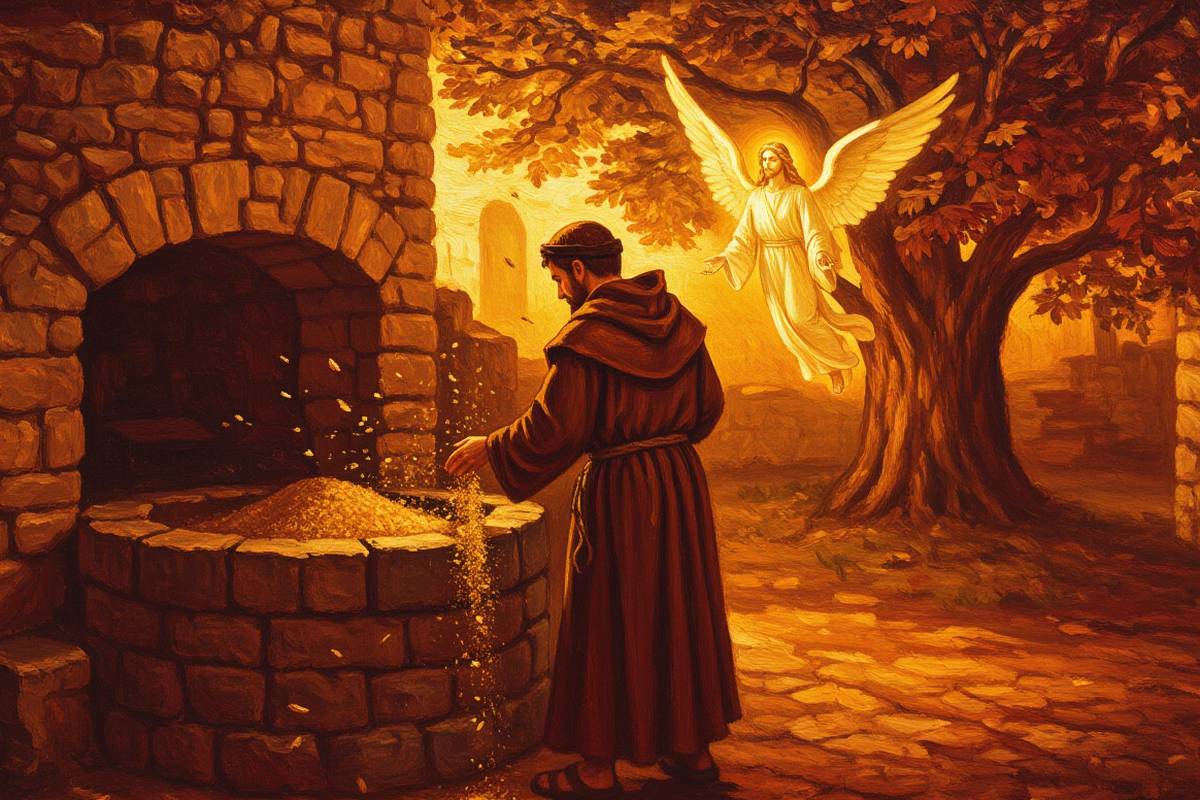
Gideon and the First Revelation of Peace
The speaker says the first revelation of this name is in Judges 6. The Midianites and Amalekites were oppressing Israel, burning crops and taking slaves. Their army was too large to number, and they came on camels with swords, an enemy Israel had never faced. Gideon was secretly threshing a little grain in a winepress, hoping no one would steal his food, when an angel appeared. Gideon was sure he would die.
In Judges 6:23–24, the Lord said to him, “Peace be with you; do not fear, you shall not die.” Gideon built an altar there and called it The-LORD-Is-Peace. God gave Gideon inner peace before any battle was won, while Israel was still oppressed. The speaker notes that Israel had forgotten they were God’s inheritance, set apart for Him, and had turned to the idols of the nations around them.
Gideon sacrificed a whole bull, which the speaker says was costly for a starving people, and tore down the idol poles (Judges 6:25–32). The next morning everyone wanted to kill him. The speaker says the Lord saw it as the perfect time to recruit, since Gideon now had their attention, and 32,000 men joined him.
This is the heart of the lesson. Everyone waits for the problem to subside before they have peace. God says, I will give you peace, and if you trust it, you will see things subside. “Peace isn’t the absence of war,” the speaker says; it is the presence of God even in the midst of war. It does not come through your head but from your heart, where God lives.
God then reduced Gideon’s army. Those who were afraid could go home, leaving 10,000. At the water, only those who cupped water in their hands could stay, leaving 300 (Judges 7:2–7). God wanted His peace flowing through Gideon, the speaker says, or the enemy would always keep rising against him.
He compares this to the little foxes that spoil the vines (Song of Solomon 2:15): small problems that keep cropping up because fear is still inside. If we trust the peace God has put in us, he says, it will stop.
Finally, God sent Gideon to listen at the edge of the enemy camp. In Judges 7:13–14, a soldier described a dream of a barley loaf tumbling into the camp and knocking over a tent, and his companion said it meant God had delivered Midian into Gideon’s hand. Whoever rises against you, the speaker says, carries more fear inside than you could imagine. People who ridicule and belittle others are a mess inside, and God wants His peace to flow from you to them.
Peace That Flows Like a River
Paul explains how this works in Philippians 4:6–7. Be anxious for nothing; pray, ask, and give thanks, and the peace of God, which surpasses all understanding, will guard your heart and mind. Getting rid of the enemy does not remove fear, the speaker says. Even if someone against you left the country, the same worry would still be inside. When that changes, you can say, if God is for me, who can be against me (Romans 8:31)?
He stresses thankfulness. Of the ten lepers Jesus healed in Luke 17:11–19, only one came back to thank Him. The speaker teaches that all ten were healed but only that one was made whole, with what the disease had destroyed restored, so no one could tell he had ever been a leper. Thankfulness let peace into his heart. If anyone is in Christ, he is a new creation (2 Corinthians 5:17).
At Jesus’ birth the angels announced peace on earth and goodwill toward men (Luke 2:14). Israel expected the Messiah to drive out Rome, but peace had to come from within. The speaker teaches that shalom also means full, lacking nothing; to pay or render, so you need not worry about tomorrow; and perfect.
Isaiah called Jesus the Prince of Peace and said, “Of the increase of His government and peace there will be no end” (Isaiah 9:6–7). You can keep growing in peace, the speaker says. He describes losing his sense of peace after he was first saved when circumstances distracted him, until the Lord showed him it had never left. He also notes that Jerusalem means city of peace, and that Israel’s peace offering was given not to get peace but to thank God for it.
God’s thoughts toward us are “thoughts of peace and not of evil, to give you a future and a hope” (Jeremiah 29:11). The speaker sums up our part: accept His peace, acknowledge it, and expect the future He has planned. And in Isaiah 48:18 the Lord says that if His people had heeded His commandments, their peace would have been like a river.
The one commandment of the new covenant, he says, is love: “A new commandment I give to you, that you love one another; as I have loved you” (John 13:34). Holding anger or resentment blocks peace. After 44 years in ministry, he says people often tell him they keep saying “I forgive” yet still feel hurt. His key is to bless those who hurt you (Matthew 5:44), aloud and in deeds, even secretly. Then peace like a river flows.

The speaker teaches that the Greek word for peace means to live life at its best. Weeping over Jerusalem, Jesus lamented that the city did not know the things that make for its peace (Luke 19:41–44). How often, he asks, does the Lord visit us while we say not now? Peace is not a promise we wait for but an accomplished fact. “Peace I leave with you, My peace I give to you; not as the world gives do I give to you” (John 14:27).
When God’s peace fills us, he says, there are no more enemies, only people who are subjects for God’s love. We begin to see them as God sees them, with compassion, tender hearts and genuine concern.
Letting God’s Peace Flow
The speaker invites anyone who has never made Jesus Lord to raise a hand and pray. He shares two testimonies of healing he reports from the church: an online viewer whose doctor told her a cancer was gone, and a member who says her doctors could no longer find the COPD she had been told was permanent. God, who did not withhold His Son, will freely give us all things (Romans 8:32), and believers are heirs of God (Romans 8:17).
Here are practical ways to let God’s peace flow from your life this week, drawn from his teaching:
- Thank God for peace every morning. Like Israel’s peace offering, start the day thanking Him that His peace flows from your life.
- Pray, then give thanks. When something troubles you, ask God for it and thank Him, following Philippians 4:6–7.
- Bless the person who hurt you. Do not stop at saying you forgive. Speak blessing and look for ways to do good to them.
- Stop waiting for the battle to end. Like Gideon, receive God’s peace before the victory, and expect things to change.
- Trust His righteousness, not your performance. Peace follows when you believe He has made you righteous.
- Rest in Him. Lie down in peace and sleep (Psalm 4:8), trusting that your sleep will be sweet.
Timestamped Outline
- 0:00 Why we need an introduction to God
- 1:04 Hebrews 1 and the names of God so far
- 2:15 Jehovah, the covenant keeper
- 3:30 Headship as covenant responsibility
- 4:36 Jehovah Nissi and Jehovah Rapha
- 5:41 Righteousness is an inside job
- 7:45 Romans 10 and the meaning of sozo
- 8:50 Jehovah Shalom: the Lord is peace
- 10:00 A temple not made with hands
- 15:02 Romans 14:17: righteousness, peace and joy
- 17:21 The Holy Spirit as God’s agent
- 18:15 Gideon in the winepress
- 20:30 The altar called The Lord Is Peace
- 24:06 Peace is the presence of God
- 25:30 Philippians 4 and the ten lepers
- 30:06 The meanings of shalom and the Prince of Peace
- 32:32 The peace offering and Jeremiah 29:11
- 35:21 Gideon’s army reduced to 300
- 38:37 The barley loaf dream
- 40:54 Love, forgiveness and blessing
- 45:55 Jesus weeps over Jerusalem
- 47:01 John 14:27: My peace I give to you
- 49:26 Invitation to receive Jesus
- 53:25 Testimonies and closing prayer
Names of God Series
This message continues the teaching on the names of God. Go back to the previous message on righteousness:
- Previous: The Names of God Part 10: Jehovah Tsidkenu, The Lord Our Righteousness
- You are here: The Names of God Part 11: Jehovah Shalom, The Lord Is Peace
Frequently Asked Questions
Do I need to pray for peace?
The speaker says no one who has received Jesus needs to beg God for peace. When you receive Him, you have all the peace that God is. Peace is not a promise to wait for but an accomplished fact. What remains is to take the lid off it: pray about your needs, believe you received when you asked, and start thanking Him. As you do, he says, you will see that peace flow out of you.
Why do Israelis say “shalom, shalom”?
The speaker says he travels to Israel often to teach a college class, and when he asked why people there repeat the greeting, he was told it expresses a desire that God’s peace be inside you and upon you. In other words, inner peace and peace in society. He uses it to illustrate that righteousness and peace are first an inside work of God, which then touches everything around us.
What if I lost the peace I had when I was first saved?
The speaker describes exactly that. After he gave his life to Jesus he had wonderful peace, but circumstances seemed to make it fly out the door. The Lord showed him that the peace had never left. His attention had simply shifted to problems, which covered what was still there. The answer was to remember who he is in Christ: a believer and a child of God with perfect peace.
Scripture References
All passages open in the New King James Version on Bible Gateway:
- Judges 6:23–24 — The-LORD-Is-Peace
- Judges 7:13–14 — the barley loaf dream
- Romans 14:17–18 — righteousness, peace and joy in the Holy Spirit
- Hebrews 1:1–2 — God revealed through His Son
- Philippians 4:6–7 — the peace that surpasses understanding
- Isaiah 9:6–7 — the Prince of Peace
- Isaiah 48:18 — peace like a river
- Jeremiah 29:11 — thoughts of peace
- John 14:27 — My peace I give to you
How this summary was made: written with AI assistance from the sermon’s own transcript and checked against the Scriptures listed above.
Watch More Messages
If this message brought you peace, there are hundreds more teachings from NTC Ministries waiting for you. Browse the full sermon archive and keep getting to know who God really is.