An Introduction to God the Names of God, part 15, closes the redemptive names with Jehovah Gamola, the Lord of recompense, the God who always repays in full. The pastor teaches that every act of faith and obedience will be compensated by God, so believers can trust Him with endurance instead of taking matters into their own hands. This message follows An Introduction to God (The Names of God) Part 14: Jehovah Sabaoth, the Lord of Hosts.
Below you will find the full video, a structured summary of the sermon, the Scripture behind each point (linked to the New King James Version on Bible Gateway), a table of the areas where he says God rewards, a timestamped outline, and practical steps for this week.
Sermon at a Glance
This message was posted at NTC Ministries on March 4, 2024, as part 15 of the series An Introduction to God. It runs about 67 minutes and ends with a call to salvation. The pastor explains that this is the last of the redemptive names in the study. He was still weighing whether to add Jehovah Hosu, the Lord our Maker, but he had always planned to finish with Jehovah Gamola.
He has the congregation say the name aloud, noting that it sounds authoritative, and prays that listeners everywhere would see the greatness of who God is.
| Detail | Information |
|---|---|
| Speaker | The pastor (not named in the recording) |
| Series | An Introduction to God: The Names of God, part 15 |
| Main text | Jeremiah 51:56; Hebrews 10:35–36; Hebrews 11 |
| Key theme | Jehovah Gamola always repays, so trust Him with endurance |
| Length | About 67 minutes, ending with a salvation prayer |
Jehovah Gamola, the Lord of Recompense
The name comes from Jeremiah 51:56, a word of judgment on Babylon for its terrible mistreatment of Israel: “the LORD is the God of recompense, He will surely repay.” The pastor loves how the New Living Translation puts it, that He always repays in full. Recompense, he explains, means to reward, to repay or to compensate.
That has a personal side. When you volunteer for the Lord or say, “Lord, I’ll do that,” you will not go without pay from God. You will be compensated for everything. The other side is equally certain: the reward of the wicked is consequences. God did compensate Babylon. About 70 years later, he says, the Medes and the Persians came in and took it over.
So when someone wrongs you, you do not have to be vengeful. God says vengeance is His, and He will repay (Romans 12:19). The catch, the pastor says, is that you have to actually trust Him. You cannot take matters into your own hands.
He links this to the other names in the series. Someone who trusts Jehovah Rapha as healer may see their health turn around until they can hardly remember the problem. That, he says, is compensation for simply trusting God for who He is. No other god does that. Satan may give fame or wealth, but there is always a price, and it is more than anyone was willing to pay.
Do Not Cast Away Your Confidence
Hebrews 10:35–36 is the anchor for the whole study: “do not cast away your confidence, which has great reward. For you have need of endurance, so that after you have done the will of God, you may receive the promise.” Everything about God is giving, the pastor says, and because we are gifted with righteousness we can partake of everything, but certain rewards come simply because we act in faith on what God said.
Why endurance? Because Satan comes to everyone and tries to provoke us, especially after we are hurt, until we start thinking evil of people. Then we lose the reward. He is a thief who comes to steal, kill and destroy (John 10:10). The pastor has the church declare it: “God’s got this.”
He uses Jesus’ parable of the farmer who plants seed, goes back into the house and goes about his business, while the ground does its work (Mark 4:26–29). You do not stand over a cornfield after three days asking why nothing has come up. It will come up and it will produce. The same is true when you do what God asked and see no immediate payment. It is guaranteed to bear fruit. “Buck up, buttercup,” he says. Don’t cave in, don’t quit, don’t back away, because God is faithful.
He applies this to commitments like weekly church. Once you make the pledge, everything shows up to break it, even a visitor you have not seen in 40 years, because a broken word separates you from the blessing. The pastor’s answer is to invite the visitor along, because he believes the outcome.
Moses’ Mother and the Reward of Faith
The first great example is the birth of Moses. Pharaoh feared how fast Israel was multiplying and ordered the Hebrew midwives to kill every male child. The midwives told him the Hebrew women were strong, hard-working slaves who gave birth before a midwife could even arrive, and so they were let off (Exodus 1:15–19).
Moses’ mother saw favor on her son and could not give him over. Hebrews 11:23 says that by faith he was hidden three months by his parents, “because they saw he was a beautiful child; and they were not afraid of the king’s command.” The pastor sums it up: she would obey God rather than man. You obey the law of the land in many things, he says, but when God has spoken, that settles it.
When she could hide him no longer, she made a basket of papyrus and reeds, sealed it with pitch, and set him among the bulrushes while his older sister watched (Exodus 2:1–10). Pharaoh’s daughter found him and the sister offered to find a Hebrew nurse. So Moses’ mother was paid to nurse and raise her own son. “Because she believed God and because she stood in faith, God rewarded her,” the pastor says.
He identifies the princess as Hatshepsut, brilliant in military and government matters, who had no son to take the throne and saw Moses as the solution. That is why Moses was trained in Pharaoh’s court. In the pastor’s words, “he was trained to be a pharaoh.”
Yet Hebrews 11:24–26 says that when Moses came of age he refused to be called the son of Pharaoh’s daughter, “choosing rather to suffer affliction with the people of God than to enjoy the passing pleasures of sin,” for “he looked to the reward.” Moses knew Jehovah Gamola. He could have ruled the greatest nation of his day, but he wanted his payment from God, not from Egypt. The King James says he looked to the recompense of the reward.
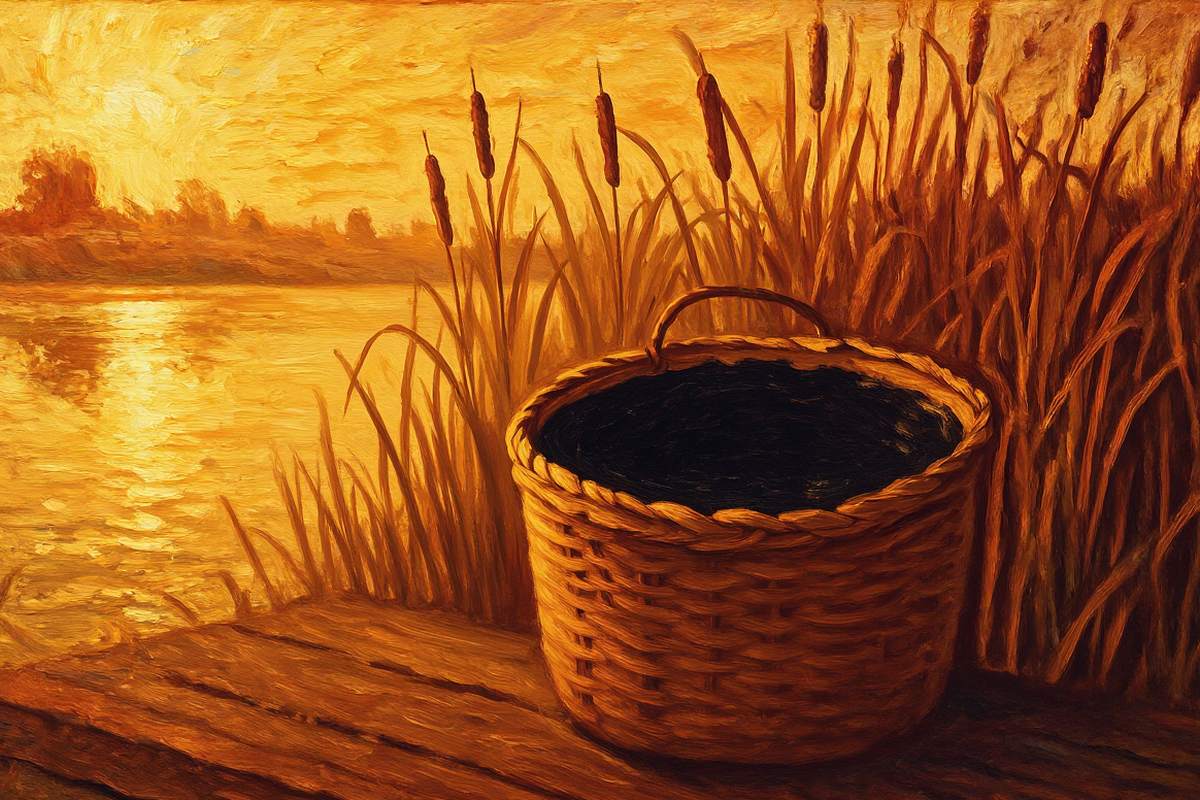
An Introduction to God the Names of God: A Rewarder of Those Who Seek Him
From Moses the pastor draws a principle: devotion and consistency in the kingdom of heaven always pay off. Even reading your Bible every day has a huge payday. The first part of that reward is revelation. God opens your eyes to His kingdom, and you begin to see what others cannot. The Word also cleanses and changes you. One day you notice an old habit or thought pattern and realize, “That’s not me anymore.”
Hebrews 11:6 makes this a requirement of faith: whoever comes to God “must believe that He is, and that He is a rewarder of those who diligently seek Him.” Some say we should not serve God for a reward. The pastor answers that we serve for God, but we must still believe the reward is coming. That expectation keeps a believer focused and pursuing.
Jesus Himself did this. Hebrews 12:2 says that “for the joy that was set before Him” He “endured the cross, despising the shame.” Publicly stripped and humiliated, He looked to the reward the Father had for Him. Now He is seated at the right hand of the Father, and every knee will bow. “That’s what Jesus focused on in order to endure the cross,” the pastor says. “How about you?”
He compares this to childbirth, which Jesus also used as a picture (John 16:21). The pain is real, but once the mother holds her baby, the joy makes her forget it. Many people still carry pain from hard times years later, he says, because they were not believing God for His reward. When we believe God for the reward, the pain leaves, because we receive the promise.
It is the Father’s heart to give. Every good and perfect gift comes down from the Father of lights (James 1:17). Nobody works 40 or 50 hours a week without expecting a paycheck, and Jehovah Gamola, he says, is the greatest paymaster there could ever be. Following Jesus always brings the richest rewards, ending with being face to face with Him.
He illustrates with his own story. He and his wife Pam committed to serving the Lord about 45 years ago and were ridiculed for it, especially by their parents. Pam’s mother phoned every Sunday after church to scold them, and her father cursed him even while he helped him. “Every one of them, all four of them, got born again,” he says, and he and Pam led them to Christ. His own parents later drove over two hours to call him pastor. A message about God’s reward is what kept them going.
That diligence affects children too. Jeremiah 32:18 describes God’s steadfast love to thousands, yet children living with the fallout of their parents’ sin. He recalls a father who blamed the church because his son swore at home. The boy was at church two hours a week, the pastor told him, but with his father twenty.
Where Jehovah Gamola Repays
The pastor then walks through about half a dozen areas where, as he puts it, Jehovah Gamola kicks in, and he says it is good to look for the reward, because if it was good for Jesus, it is good for us. The table gathers the areas he covers, in order.
| Area | Scripture | What he teaches |
|---|---|---|
| Tithing | Malachi 3:8–10 | A tenth of all increase belongs to God; He opens the windows of heaven |
| Private giving | Matthew 6:1–4 | Give quietly, not for applause; the Father rewards you openly |
| Words | Proverbs 12:14 | A man is satisfied with good by the fruit of his mouth |
| Helping others | Proverbs 28:27 | Whoever gives to the poor will not lack |
| Prayer | Matthew 6:5–6 | Pray in secret, not to look spiritual |
| Fasting | Matthew 6:16–18 | Fast without a sad face; the Father sees in secret |
| Sharing your faith | 2 Peter 2:4–5 | Noah, a preacher of righteousness, was protected |
On tithing, Malachi 3:8–10 says to bring all the tithes into the storehouse, which he identifies as the local church where you are fed, and to try God in this. The tenth applies to any increase, not only wages, because God gives the power to get wealth (Deuteronomy 8:18). Even the devil believes and trembles (James 2:19), but believers believe and receive.
On private giving, Matthew 6:1–4 warns against giving to be seen by men. If a thank-you is what you wanted, that is your whole reward. “What you practice privately is always rewarded openly,” the pastor says. Prayer and fasting follow the same pattern in Matthew 6:5–6 and Matthew 6:16–18. He adds that public, corporate prayer still matters and invites the church to its Wednesday night prayer.
On words, Proverbs 12:14 says a man will be satisfied with good by the fruit of his mouth. By your words you are justified or condemned (Matthew 12:37), so choose to speak life. On helping others, he recalls a hard season when local businesses were struggling to stay open. The ministry wrote every business in the county, offered free airtime on its radio station, and printed large “we’re still open” signs. Proverbs 28:27 says he who gives to the poor will not lack.
Behind every area is one law. Paul wrote, “whatever a man sows, that he will also reap” (Galatians 6:7–8). Jehovah Gamola, the pastor says, cannot do anything other than repay: good for good, corruption for corruption.
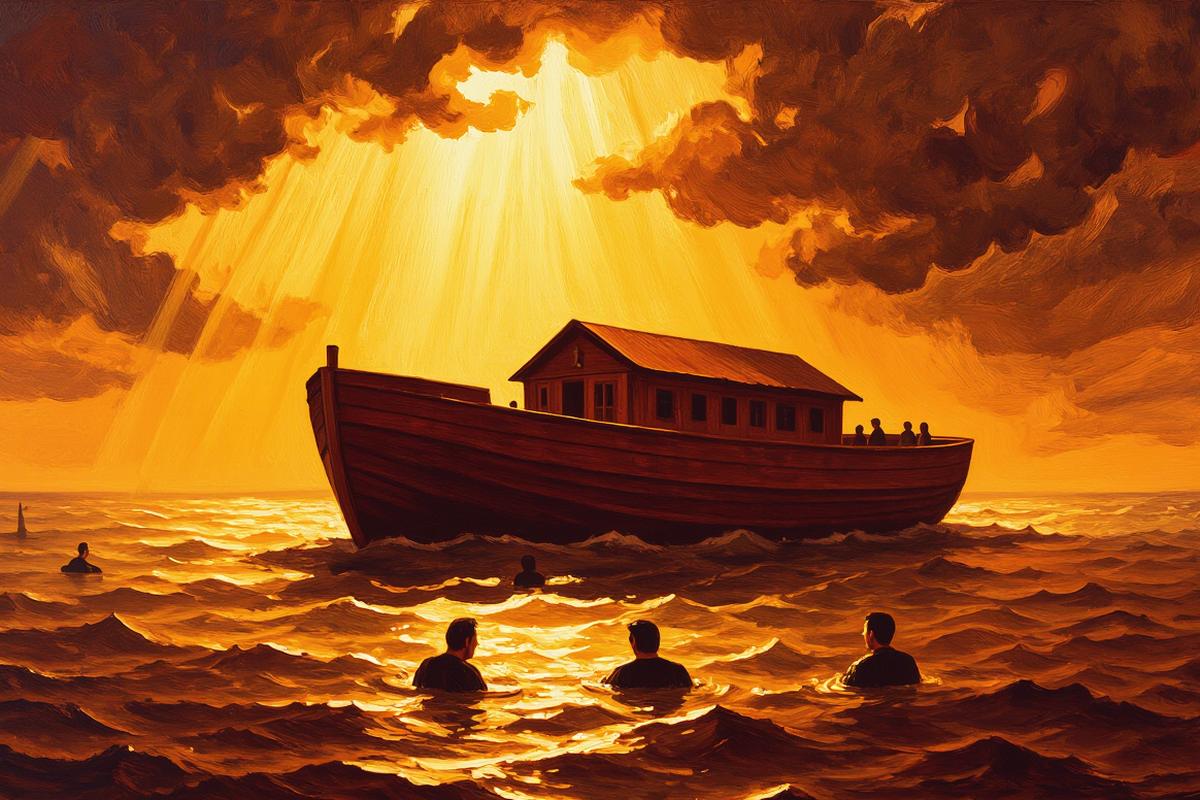
Noah and the Ark of Obedience
The last area is sharing your faith, and the example is Noah. 2 Peter 2:4–5 says God did not spare the ancient world but saved Noah, “a preacher of righteousness,” with seven others. Noah did not only obey; he kept warning people. The pastor says he does the same, though he stresses that the trouble in the world is people reaping what they have sown, not God destroying everything.
In Genesis 7:16, after the animals went in, “the LORD shut him in.” By his obedience, the pastor teaches, Noah was building his own place of salvation. Our obedience builds an ark for us too. He compares it to the church school: children may not play on the highway, but they can play freely on the playground, a place of safety.
Genesis 7:17–23 describes the waters rising over the mountains, and the ark rising with them. Whatever happened, Noah stayed above it. People who come to him afraid of world events, he says, need to do more than stop watching the news. They need to start obeying God and trusting His reward, the way Noah kept building despite ridicule.
Isaiah 60:2–5 promises that though darkness covers the earth, “the LORD will arise over you, and His glory will be seen upon you.” The Gentiles will come to your light, your sons and daughters will come, and the wealth of the Gentiles will come to you. The pastor tells parents of wayward children that their salvation is part of the reward, and he expects the greatest evangelism and wealth transfer the world has seen.
Acts 16:31 seals the promise: believe on the Lord Jesus Christ, “and you will be saved, you and your household.” Even giving to the poor is lending to the Lord, who repays (Proverbs 19:17), and it is the Father’s good pleasure to give us the kingdom (Luke 12:32).
He closes with an urgent invitation. Today is the day of salvation (2 Corinthians 6:2). He tells how D. L. Moody once sent a Chicago crowd home to think it over, and that night a fire burned the neighborhood; Moody wept for months. Commit to Jehovah Gamola now, the pastor urges, and He will do exceedingly abundantly above all you ask or think (Ephesians 3:20).
Living Under Jehovah Gamola
Here are practical steps drawn from this message:
- Hand over the hurt. When someone wrongs you, refuse revenge and let the God of recompense repay.
- Keep your word. Treat commitments like weekly worship as a disciplined pledge, and expect the distractions that come to break it.
- Read for the reward. Open your Bible daily even when you do not understand it all; revelation and change are part of the payday.
- Practice privately. Give, pray and fast without seeking an audience, trusting the Father who sees in secret.
- Speak good. Watch the fruit of your mouth and choose words of life over curses.
- Build your ark. Answer fear about the world with obedience, and keep telling others about Jesus.
Timestamped Outline
- 0:00 The last redemptive name: Jehovah Gamola
- 1:05 Jeremiah 51:56: the God of recompense
- 2:20 Rewards for the just, consequences for the wicked
- 4:45 Hebrews 10:35–36: do not cast away your confidence
- 7:12 The thief, and the farmer who plants corn
- 9:16 Keeping your word to God
- 10:15 Pharaoh’s decree and the midwives
- 12:21 Hebrews 11:23: not afraid of the king’s command
- 13:25 The basket among the bulrushes
- 18:02 Hebrews 11:24–26: Moses looked to the reward
- 20:17 The payday of reading your Bible
- 21:31 Hebrews 11:6: a rewarder of those who seek Him
- 23:49 Hebrews 12:2: for the joy set before Him
- 27:27 The greatest paymaster
- 32:32 Ridiculed for serving, then families saved
- 36:53 Jeremiah 32:18 and the children watching
- 37:59 Malachi 3: tithing
- 40:07 Matthew 6: giving in secret
- 42:37 Proverbs 12:14: the fruit of your mouth
- 46:12 Matthew 6: prayer and fasting
- 48:35 Sowing and reaping; Noah the preacher
- 52:18 Genesis 7: the Lord shut him in
- 56:58 Isaiah 60: His glory upon you
- 1:01:52 Acts 16:31 and the call to salvation
An Introduction to God Series
This message is part of a teaching series on the names of God at NTC Ministries. Start from the beginning or go back one message:
- First message: An Introduction to God: The Names of God, Part 1 — Elohim, the Creator Who Makes Covenant
- Previous: An Introduction to God (The Names of God) Part 14: Jehovah Sabaoth, the Lord of Hosts
- You are here: An Introduction to God (The Names of God) Part 15: Jehovah Gamola, the Lord of Recompense
Frequently Asked Questions
Is it wrong to serve God because of a reward?
The pastor says no. We serve for God, but Hebrews 11:6 requires believing that He is a rewarder of those who diligently seek Him. Jesus endured the cross for the joy set before Him, and Moses looked to the reward. Expecting God’s reward does not replace love for Him; it keeps a believer focused, enduring and pursuing God when circumstances push the other way.
Does God’s recompense only mean blessing?
No. The pastor teaches that recompense works both ways. The obedient are rewarded, and the reward of the wicked is consequences, as Babylon experienced. That is why believers do not need to take revenge. Whatever a man sows, he reaps, and the God of recompense will repay in His own time, so the believer’s part is to trust Him and keep doing good.
What does he mean by building an ark today?
He means obedience. Noah’s obedience built the place where the Lord shut him in and lifted him above the flood. In the same way, the pastor says, obeying God creates a place of safety from the troubles coming on the earth. It is not about fear or ignoring the world, but about trusting God’s reward and continuing to share the gospel.
Scripture References
All passages open in the New King James Version on Bible Gateway:
- Jeremiah 51:56 — the God of recompense
- Hebrews 10:35–36 — confidence and endurance
- Hebrews 11:23 and Hebrews 11:24–26 — Moses’ parents and Moses
- Hebrews 11:6 — a rewarder of those who seek Him
- Hebrews 12:2 — the joy set before Him
- Malachi 3:8–10 — the windows of heaven
- Matthew 6:1–4 — rewarded openly
- 2 Peter 2:4–5 — Noah, a preacher of righteousness
- Isaiah 60:2–5 — His glory upon you
How this summary was made: written with AI assistance from the sermon’s own transcript and checked against the Scriptures listed above.
Watch More Messages
If this message encouraged you to trust God’s reward, there are hundreds more teachings from NTC Ministries waiting for you. Browse the full sermon archive and keep getting to know God by His names.