The divine exchange is what happened at the cross: Jesus took every evil that was due to us so that every good that was due to Him could come to us. In this final message of the series, Dr. William P. Hohman recaps the exchanges he has already taught and then adds two more, the emotional wounds of shame and rejection, showing how Jesus carried both so we could be accepted by God. It follows The Divine Exchange #3: Perfected Forever by One Sacrifice.
Below you will find the full video, a structured summary of the sermon, every Scripture he uses (linked to the New King James Version on Bible Gateway), a timestamped outline, and practical steps for laying shame and rejection down at the cross.
Sermon at a Glance
This message was preached at NTC Ministries and posted on October 22, 2024. It runs about 70 minutes and ends with a prayer of salvation and release. Pastor Hohman opens by announcing that this will be the last message in the series on the divine exchange, a teaching that began with a message he gave at the fair on Jesus’ mission to heal the brokenhearted.
The whole gospel, he says, revolves around one historical event: Jesus Christ dying on the cross. It is the focal point for salvation, for understanding God’s love, and for any change we need in our lives. His blood is more powerful than anything in this world and is the only thing that can cleanse a heart and a soul.
| Detail | Information |
|---|---|
| Speaker | Dr. William P. Hohman |
| Series | The Divine Exchange, final message (#5) |
| Main text | Hebrews 10:14, 2 Peter 1:2–4 and Isaiah 53 |
| Key theme | Jesus bore our shame and rejection so we could be accepted by God |
| Length | About 70 minutes, ending in prayer |
Perfected Forever by One Offering
The foundation text is Hebrews 10:14: “For by one offering He has perfected forever those who are being sanctified.” Pastor Hohman ties it back to Jesus’ first sermon, where He said the Spirit of the Lord had sent Him to heal the brokenhearted (Luke 4:18). Healing a broken heart, he says, did not come cheap; it took the death of Jesus Christ.
He reads “those who are being sanctified” as those who are being born again, not as an endless process. Once you give your life to the Lord, you are made holy, and you cannot get more holy than that. Your actions are not yet perfect, and everyone has to work out their salvation with fear and trembling (Philippians 2:12), but to God you are holy, and it is forever.
That does not mean life will be a picnic. Sometimes, he says, it will feel like riding a tornado. But you can know that God has finished it. He even perfects what concerns you (Psalm 138:8). Every problem and need of the human race was brought together and laid on Jesus at the cross, and there a divine exchange took place: He gave His life to give us life.
On that basis Paul could write, “My God shall supply all your need according to His riches in glory by Christ Jesus” (Philippians 4:19). That covers the soul, mind, emotions, body, finances and material needs. If you say you do not see it yet, Pastor Hohman points to Hebrews 11:1: faith is the substance of things hoped for. He explains faith as a title deed, like the title to a car that proves it is yours. That is why Jude urged believers to contend for the faith (Jude 3): hold on to your title.
Knowing His Name Multiplies Grace and Peace
Next Pastor Hohman turns to knowledge. “My people are destroyed for lack of knowledge” (Hosea 4:6). In Isaiah 52, God’s people were in bondage they did not deserve, and the problem was that they did not know His name. In the Bible, he explains, names carry meaning. His own name, William, means defender of the family, and he says he stands in for his church that way.
God’s names reveal who He is. Jehovah Rapha is the one who heals you; He does not make you sick. Jehovah Nissi is the banner of victory over you. That is why Jesus could say, “In the world you will have tribulation; but be of good cheer, I have overcome the world” (John 16:33). And God does not merely love; God is love. When Moses asked God’s name, the answer was I AM WHO I AM (Exodus 3:14), which Pastor Hohman says sounds like a breath in Hebrew, the same breath God breathed into Adam.
Then he reads 2 Peter 1:2–4. Grace and peace are multiplied through the knowledge of God and of Jesus our Lord. His divine power has given us all things that pertain to life and godliness, not only spiritual things but everything we need on this earth. God is holding nothing back. To see it manifested, start knowing who He is, because who He is proves what He does.
Adam never asked God for anything before he sinned, Pastor Hohman notes, because he had been given dominion over everything (Genesis 1:26). Jesus, the last Adam, received everything from the Father and made us joint heirs (Romans 8:17). Unlike an earthly will that is divided up, everything is ours. When something new frightens him, he has learned he already has the peace that surpasses all understanding (Philippians 4:7).
Peter calls them exceedingly great and precious promises, a triple superlative, given so we may partake of the divine nature and escape the corruption in the world through lust. Everything we see, even a beautiful sunrise, is the corrupted version. All creation is waiting for the revealing of the sons of God (Romans 8:19). “You’re saying, well, I’m waiting on God,” he says. God has done everything and is waiting on you. Greed for gain corrupts, so let God take lust out of your life and stop worrying about tomorrow (Matthew 6:34). The Lord is my shepherd; I shall not want (Psalm 23:1).
The Divine Exchange at the Cross
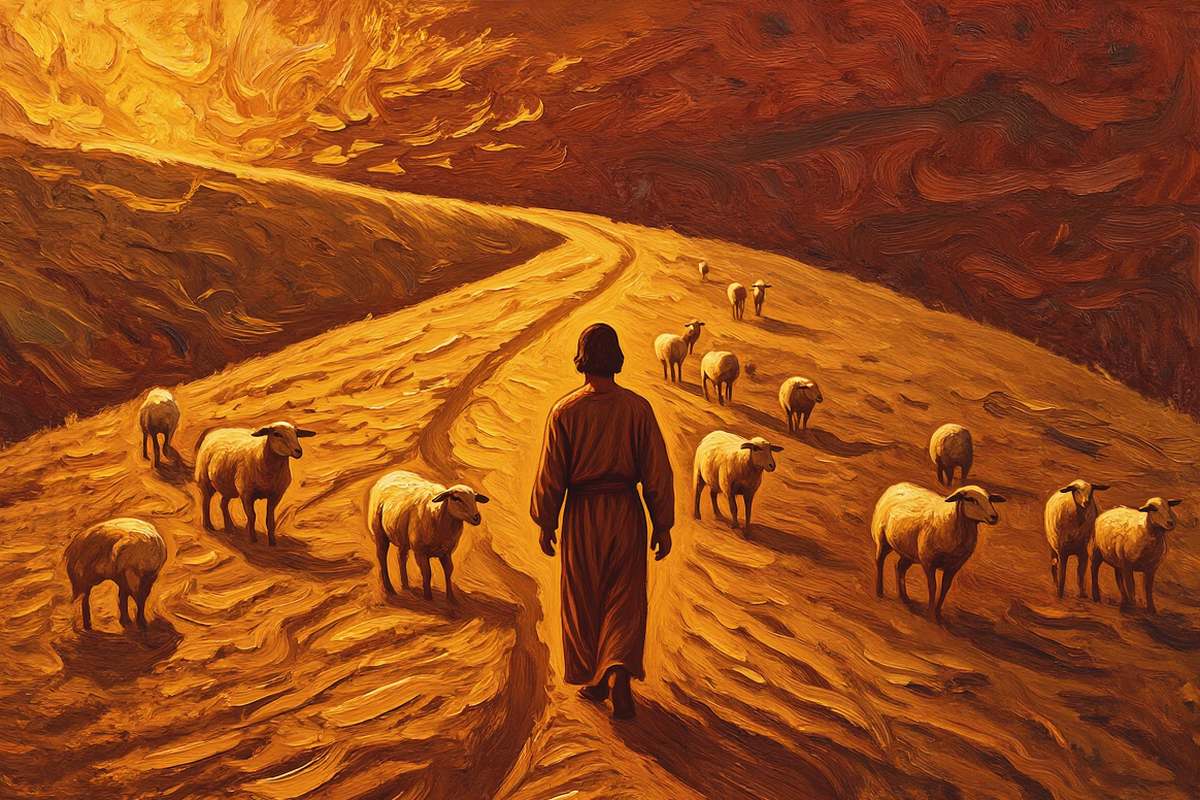
The most complete account of what was accomplished, Pastor Hohman says, is Isaiah 53:6: “All we like sheep have gone astray; we have turned, every one, to his own way; and the LORD has laid on Him the iniquity of us all.” When we turn to our own way, we automatically turn our backs on God. If you feel farther from Him, you moved, not God. Repentance is simply turning back.
The Hebrew word for iniquity, avon, means not only sin but all its penalty and consequences. Jesus took all of it. When you receive His forgiveness, you are forgiven of every sin, past, present and future. On the cross He prayed, “Father, forgive them, for they do not know what they do” (Luke 23:34), and Pastor Hohman says that whenever we sin, it is because we do not really know what we are doing.
Your spirit is made new at salvation, but your mind has been programmed for years by a corrupted world, so it must be washed by the water of the Word (Ephesians 5:26). Until then you may still think foolishly or feel afraid. He then recaps the exchanges taught earlier in the series and adds the two this message focuses on:
| Jesus received | So that we receive | Scripture he cites |
|---|---|---|
| Punishment and the wrath of God | Forgiveness and the peace of God | Isaiah 53:6 |
| Wounds | Healing by His stripes | Isaiah 53:5 |
| Being made sin | His righteousness | Isaiah 53:10; 2 Corinthians 5:21 |
| Our death | His eternal life | Taught in the series recap |
| Poverty | Abundance | 2 Corinthians 8:9; Psalm 112:3 |
| Shame | A share in His glory | Hebrews 12:1–2; Hebrews 2:10–11 |
| Rejection | Acceptance in the Beloved | Matthew 27:46; Ephesians 1:3–6 |
Jesus was wounded so that by His stripes we are healed (Isaiah 53:5). He was made sin so we could be made righteous (Isaiah 53:10; 2 Corinthians 5:21). You are as right as God is right, and your mistakes have no bearing on that relationship. He endured poverty so we could enjoy abundance: though He was rich, for our sakes He became poor (2 Corinthians 8:9), and wealth and riches will be in the house of the righteous (Psalm 112:3).
Jesus Bore Our Shame
Pastor Hohman calls shame and rejection two of the cruelest sufferings Jesus carried. Isaiah 53:3–4 says He was despised and rejected by men, a Man of sorrows; surely He has borne our griefs and carried our sorrows. The crowd thought God had struck Him, but Jesus laid down His life Himself (John 10:18). God so loved the world, including those who shamed Him (John 3:16).
Shame, he says, comes in many degrees. Some embarrassment we laugh off; some keeps us awake at night. A sense of unworthiness cuts deep and makes us pull away from God and people. He reminds the church that most people are so busy with their own lives they are not judging yours; it is Satan trying to set you against yourself. God has more plans for you than the sand of the earth, and age does not limit them. He also speaks of the deep wounds left by abuse, which he says only the grace of God can fully heal, and which people often try to hide in work, substances or other escapes.
Crucifixion was the most shameful death, reserved for the worst offenders, yet the spotless Lamb chose it. Hebrews 12:1–2 tells us to lay aside every weight and look to Jesus, who endured the cross, despising the shame. There is no formula, he says: lay it aside, not work and struggle your way out of it.
Jesus was stripped and mocked. In Matthew 27:35–44 soldiers cast lots for His garments, which Pastor Hohman says shows His clothes were valuable, and passersby, priests and even the robbers reviled Him. Yet one robber believed and heard, “Today you will be with Me in Paradise” (Luke 23:43).
He shares how the Lord once told him in prayer to bury an issue that had plagued him. In the middle of winter he took a pick and shovel, told his wife Pam he was going to a funeral, wrote the issue on paper and buried it. To this day he cannot remember what it was. It is not a twelve-step program, he says; just lay it down.
God’s purpose is to bring many sons to glory (Hebrews 2:10–11), and Jesus is not ashamed to call us brethren. Your sins are removed as far as the east is from the west (Psalm 103:12) and cast into the depths of the sea (Micah 7:19), not someday in heaven but now.
Healing the Wound of Rejection
The second wound is rejection, which usually begins with a broken relationship, sometimes very early in life. Pastor Hohman tells a story from when he was about four. All morning his father promised a drive to his grandparents’ farm. He fell asleep, and when he woke, his father had gone with his sisters so as not to disturb him. It was innocent, but he was deeply wounded and asked himself why his father would reject him.
Unhealed rejection, he teaches, makes people afraid to get close. It can lie behind divorces, where someone wants marriage but pulls away without knowing why. The first cut is the deepest, he says, quoting an old song. Jesus came to destroy the works of the devil (1 John 3:8): give your life to Him, lay the weight aside, and the divine exchange takes place. Hope grows, dreams get bigger, and money and righteousness stop being problems.
He reads 2 Timothy 3:1–5: in the last days men will be lovers of themselves and lovers of money. He says wounds and rejection lie behind much of that list. Do not become a crutch for such people; point them to Jesus. He also explains why the church school asks students not to date: a breakup can derail a student’s schoolwork for weeks.
God knows this pain. “The LORD has called you like a woman forsaken and grieved in spirit, like a youthful wife when you were refused” (Isaiah 54:6). Rejection makes us lose value in our own eyes, but you are the apple of His eye and the pearl of great price.
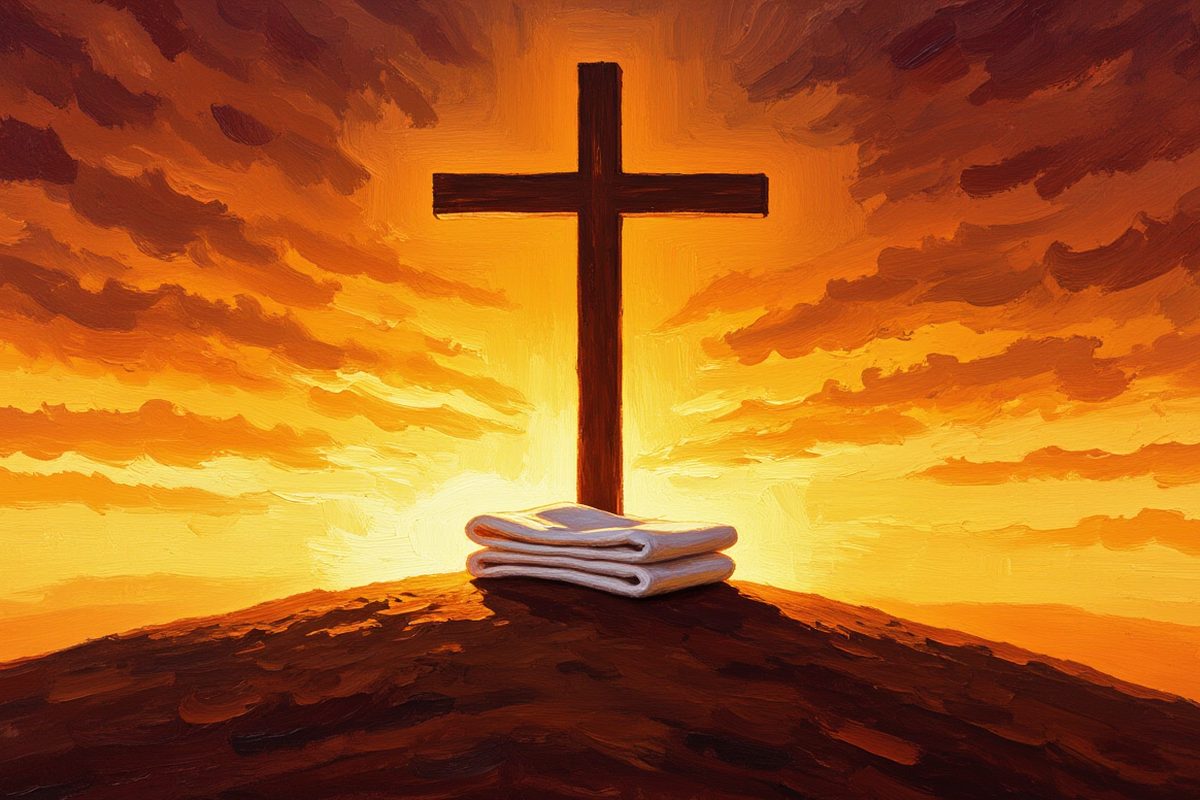
On the cross Jesus cried, “My God, My God, why have You forsaken Me?” (Matthew 27:46–50). For the first time, the Father did not answer the Son, because Jesus carried our iniquity. He was rejected by His people, His disciples and His Father so that we would never be rejected. He has said He will never leave us nor forsake us (Hebrews 13:5), and when we call, He will answer and show us great and mighty things (Jeremiah 33:3).
It Is Finished: Accepted in the Beloved
In John 19:28–30, Jesus said He thirsted, and this time He received the sour wine. Pastor Hohman sees Him taking in all the bitterness of shame, rejection and being let down. Then He said, “It is finished,” the final word of the divine exchange. He explains the Greek word as one word meaning completely complete, finished being finished. Nothing is left in question.
Ephesians 1:3–6 says God chose us before the foundation of the world to be holy and without blame, and made us accepted in the Beloved. The rejection of Jesus results in our acceptance by God; that is the divine exchange. When you are born again, he says, God looks at you and sees Himself. “You don’t have to be bitter you can be better,” and the only way is the cross, where the divine exchange happens.
God’s promises are never given to be worked for, only received. The curse of the law in Deuteronomy 28 includes humiliation, barrenness, sickness, family breakdown, poverty, defeat and failure. But Christ has redeemed us from the curse of the law, having become a curse for us, so that the blessing of Abraham might come on the Gentiles (Galatians 3:13–14).
He closes with his mother’s story. While pregnant with him she learned she had cancer and was told the pregnancy could cost her life. She refused to end it and later lost her voice, calling the children with a cowbell and then a whistle. When he was still complaining about missing the farm trip, she told him, “you are so loved that I’d give my life for you.” That, he says, is what Jesus is saying to every person.
Receiving the Exchange This Week
Pastor Hohman invites everyone to stand and receive, because nothing is too little or too big for God. These steps come straight from the message:
- Hold your title deed. Treat God’s promises as already yours by faith, even before you see them.
- Learn His names. Grace and peace multiply as you come to know Him as healer, banner of victory and love.
- Lay it aside. Name the shame or rejection you are carrying and give it to Jesus; you might even bury it on paper.
- Wash your thinking. Let the Word reprogram a mind that the world trained for years.
- Forgive and release. Forgive everyone you feel has wronged you, as his closing prayer leads you to do.
- Stop waiting on God. Creation is waiting for you to rise up in your identity and receive what is finished.
Timestamped Outline
- 0:00 Final message in the series and opening prayer
- 1:03 The gospel revolves around the cross
- 3:13 Hebrews 10:14: perfected forever
- 5:26 Philippians 4:19: all your need
- 6:43 Faith as a title deed
- 9:12 Destroyed for lack of knowledge
- 10:24 What names mean: William, Jehovah Rapha
- 12:37 Grace and peace multiplied: 2 Peter 1
- 14:57 Joint heirs with Christ
- 17:23 Exceedingly great and precious promises
- 19:45 Isaiah 53:6: the iniquity of us all
- 24:19 Healing, righteousness, life and abundance
- 26:38 Shame and rejection: Isaiah 53:3–4
- 33:38 Hebrews 12: despising the shame
- 37:03 Matthew 27: they divided His garments
- 40:15 Burying an old issue
- 41:12 Hebrews 2: bringing many sons to glory
- 44:42 The wound of rejection: the farm trip
- 48:53 2 Timothy 3: perilous times
- 53:32 Isaiah 54:6: a wife forsaken
- 54:37 My God, why have You forsaken Me?
- 58:14 John 19: it is finished
- 1:00:35 Accepted in the Beloved: Ephesians 1
- 1:03:08 Redeemed from the curse
- 1:06:20 His mother’s story and closing prayer
Divine Exchange Series
This message closes a teaching series at NTC Ministries. Start from the beginning or go back to the previous message:
- First message: The Divine Exchange #1: Hope, Faith and the Greatest Exchange Program Ever
- Previous: The Divine Exchange #3: Perfected Forever by One Sacrifice
- You are here: The Divine Exchange #5: How Jesus Bore Our Shame and Rejection
Frequently Asked Questions
If I am perfected forever, why do I still struggle?
Pastor Hohman separates your standing from your behavior. Your spirit is made new and holy when you are born again, but your mind was trained by a corrupted world for years. Until it is washed by the Word, you may still think foolishly, act in ways you regret or feel afraid. Those struggles do not change your relationship with God. They are part of working out your salvation and learning to walk in truth.
Does Jesus’ poverty mean only spiritual riches?
No. Pastor Hohman rejects the idea that the riches are only spiritual, pointing out that 2 Peter 1:3 promises all things that pertain to life and godliness. He adds that the soldiers gambled for Jesus’ garments, which he takes as a sign they were valuable. Jesus took all our lack so that wealth and riches can be in the house of those who trust Him.
What does the closing prayer include?
He leads listeners to ask God’s forgiveness, give their life to Jesus and ask Him to be Lord. Then they lay down shame, rejection and bitterness, forgive everyone who has wronged them and release them. The prayer ends by declaring freedom in Jesus’ name and a commitment to fulfill, by grace and in the power of the resurrected Christ, every plan God has for their life.
Scripture References
All passages open in the New King James Version on Bible Gateway:
- Hebrews 10:14 — perfected forever by one offering
- 2 Peter 1:2–4 — all things for life and godliness
- Isaiah 53:6 and Isaiah 53:3–4 — He bore our iniquity and griefs
- Hebrews 12:1–2 — He despised the shame
- Isaiah 54:6 — a woman forsaken
- Matthew 27:46–50 — why have You forsaken Me?
- John 19:28–30 — it is finished
- Ephesians 1:3–6 — accepted in the Beloved
- Galatians 3:13–14 — redeemed from the curse
How this summary was made: written with AI assistance from the sermon’s own transcript and checked against the Scriptures listed above.
Watch More Messages
If this message helped you lay something down at the cross, there are hundreds more teachings from NTC Ministries waiting for you. Browse the full sermon archive and keep walking in everything Jesus finished for you.