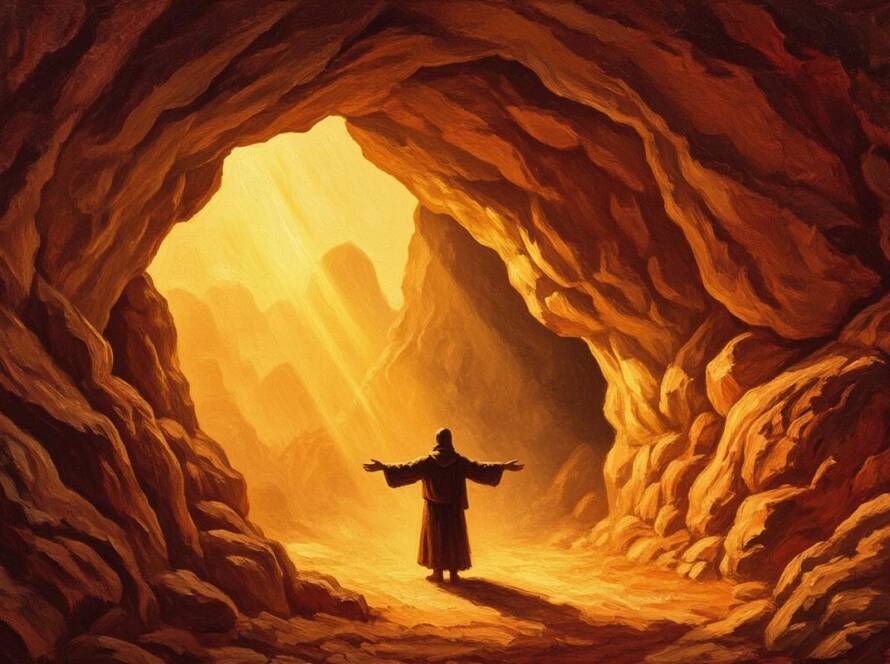
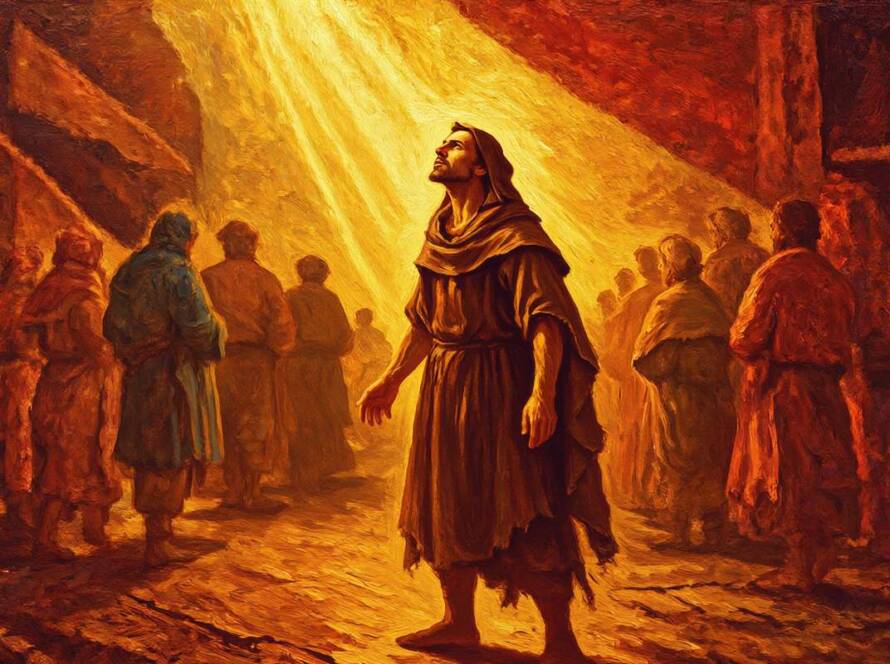
To walk by faith, not by sight, is to live from eternity instead of being ruled by the stress of time. In this message the pastor teaches that God made us from the ground, so whatever we sow with our words and actions we will reap, and that the way out of the toil that came with Adam’s sin is to labor to enter God’s rest by hearing His Word and continuing to hear it until it bears fruit.
The sermon is the fifth session of his series Help God, I Want to Change, and it is titled entering God’s rest brings eternity into time. Below you will find the full video, a structured summary, every key Scripture (linked to the New King James Version on Bible Gateway), a timestamped outline, and practical steps for this week.
Sermon at a Glance
This message was preached at NTC Ministries and posted on September 21, 2021, the day after the twentieth anniversary of September 11 was remembered in the service. It runs about 67 minutes and ends with a prayer to become fertile soil for God’s Word. The pastor recaps the earlier sessions: man was created to change, eternity is in the heart of man, the path of change, and entering God’s rest.
His central contrast is between eternity and time. Eternity always was and always will be; with God it is always right now. Time is where corruption has been held since the fall, and it produces stress and strain. Entering God’s rest is how eternity comes into our days.
| Detail | Information |
|---|---|
| Speaker | The pastor (not named in the recording) |
| Series | Help God, I Want to Change (session 5) |
| Main text | Hebrews 4:9–10 and Matthew 13:18–23 |
| Key theme | Entering God’s rest brings eternity into time |
| Length | About 67 minutes, ending in prayer |
Walking Circumspectly: Eternity in Time
The pastor begins with Ezekiel’s vision of a wheel within a wheel, its rims full of eyes all the way around (Ezekiel 1:15–18). That, he says, is a picture of eternity: God sees everywhere at once, so nothing surprises Him. It also explains a word in Ephesians 5:15–16, where believers are told to walk circumspectly, not as fools but as wise, redeeming the time.
To walk circumspectly is to walk with eyes all the way around your head. It means walking in eternity, thinking about eternal things and seeing as God sees. He notes that God is not the one redeeming the time in that verse. We are. We bring redemption into time.
That rules out a common excuse. Many people, including some Christians and ministers, say they have problems because of their past or a great-grandfather’s past. The pastor answers that we are called to see as God sees, not according to what man sees, and to be delivered from the feelings and effects of this time. God has given us the means, and we are the ones who redeem the time.
He also reminds the church that God put eternity in the heart of man (Ecclesiastes 3:11). After the fall, we must receive the seed of His Word to become a new creation so that eternity can actually come out of us. It is God’s will that all be saved and come to the knowledge of the truth (1 Timothy 2:4).
Made From the Ground to Sow and Reap
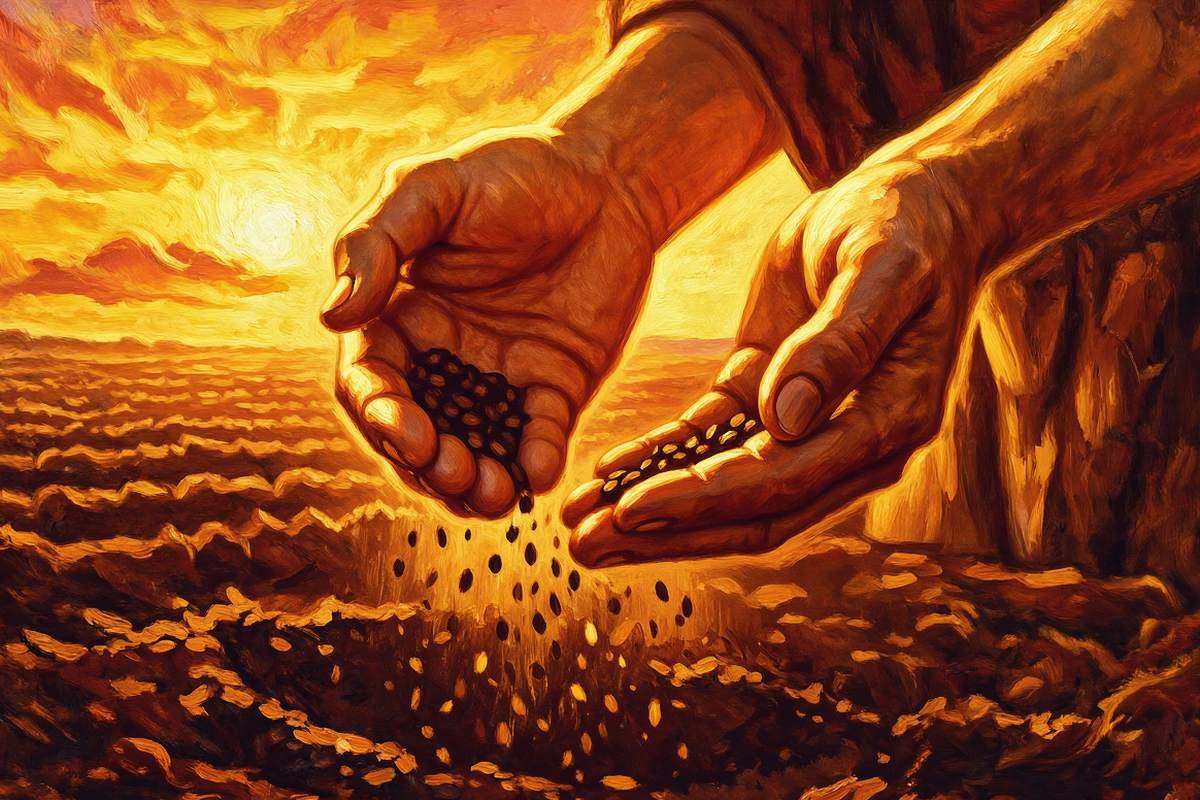
Everything else in the sermon rests on how man was made. God spoke the animals into being, but for man He said, “Let us make man in Our image” (Genesis 1:26), and then the Lord, like a master sculptor, formed him from the soil with His hands (Genesis 2:7). The Hebrew word for earth, adama, describes ground that receives seeds and produces a harvest. We are that kind of ground.
So whatever we sow, we reap. The point, he says, is not that God is watching to catch you. It is that by your actions, your words and the venting of your emotions you are planting seeds, and you will reap a harvest that you would never wish on anybody. “It’s a good day to live right.”
Because God both spoke and formed, faith is not only speaking; it is also doing. James says, in effect, show me your faith by what you do (James 2:18). Jesus said that whoever confesses Him before men, He will confess before the Father (Matthew 10:32). And Hebrews 10:23 urges us to hold fast the confession of our hope, for He who promised is faithful. Everything was finished on the cross, but we still have to accept His Word, say it and act on it.
Animals, he observes, simply herd together to survive, and people without God do the same. We are not to be conformed to this world (Romans 12:2) but to trust in the Lord, lean not on our own understanding, and let Him direct our paths (Proverbs 3:5–6). God sets life and death before us and tells us to choose life, that both we and our descendants may live (Deuteronomy 30:19), and life comes only from His Word.
Everyone needs to change, the pastor admits, himself included. He could be a better minister, husband and father. Some plant, some water, but God gives the increase (1 Corinthians 3:6). The thief comes to steal, kill and destroy, but Jesus came to give life more abundantly (John 10:10), so do not complain about others’ success. Rejoice with those who rejoice and weep with those who weep (Romans 12:15); complaining only erodes your own future.
From Toil and Sweat to God’s Rest
When Adam sinned, corruption entered creation and was bound within time. The pastor points out that each creation day ends with “the evening and the morning,” until the seventh day, when God rested from all His work and the phrase disappears (Genesis 2:2). God also appointed each of us a specific place and time on earth (Acts 17:26). He put us here, the pastor says, to accept Him and let Him bring us from time into eternity.
That is why there remains a rest for the people of God. Jesus taught us to pray, “Your kingdom come. Your will be done on earth as it is in heaven” (Matthew 6:10). Eternity is meant to enter our families, schools, workplaces and communities, taking us from stress and strain into peace, love, joy and hope. Moses prayed, “So teach us to number our days” (Psalm 90:12), and the pastor asks God to teach us how to live in this corrupted time.
In Genesis 3:17–19, God told Adam the ground was cursed because of him and that he would eat bread by the sweat of his face. The pastor stresses that God was not venting anger; He was showing Adam the picture on the seed packet: this is what you sowed, and this is what will come up.
We still have to work, and he intends to give his all to make his community grow. Yet our duty as children is to enter the rest of God. “Remember the Sabbath day, to keep it holy” (Exodus 20:8) is, in his teaching, a lifestyle rather than a day of the week, since the curse of the law is done away. Hebrews 3 and 4 tell us to labor to enter God’s rest, and he urges people not to miss church, because the corporate anointing does more than they know.
The One Who Wants It Least
When Adam sinned, God started the conversation. He had given Adam everything and came to walk with him in the cool of the day, but Adam ran and hid. God asked, “Where are you?” and Adam said he was afraid because he was naked (Genesis 3:9–11). The pastor draws a principle from it: “a relationship is only as strong and as deep as the person who wants it the least.”
Every child who comes home asking why someone will not be his friend learns this. In marriages, too, one person may want the relationship and the other not, until the strong one gives up. With God, we are the weak ones. All have sinned and fall short of His glory (Romans 3:23), yet He will never leave us nor forsake us (Hebrews 13:5). Like Adam, we hide from the very One who can speak change into our lives.
Every person was created by love for love, but corruption makes us feel unqualified to be loved. The good news is that God so loved the world that He gave His only begotten Son (John 3:16). Jesus came from eternity into the corruption of time so that, while we are still here, we can have eternal life in us. That life cannot hold corruption and dispels it.
We cannot change on our own. God promises to do exceedingly abundantly above all we ask or think, according to the power that works in us (Ephesians 3:20), but that requires brokenness. Whoever falls on the stone will be broken (Matthew 21:44). The pastor recalls one of his sons coming to him as a teenager to confess a sin. After asking God and his father for forgiveness, the boy concluded he was weak in that area and needed God, and he began praying for the Holy Spirit’s strength.
The alternative is the herd. What does it profit a man to gain the whole world and lose his soul (Mark 8:36)? Churches filled after September 11, the pastor recalls, and six months later many were gone; they only wanted to associate with someone who knew God. In the last days people will have a form of godliness but deny its power (2 Timothy 3:1–5). Jesus invites the weary and heavy laden to come to Him for rest, because His yoke is easy and His burden is light (Matthew 11:28–30).

Walk by Faith, Not by Sight: Keep Hearing
“There remains therefore a rest for the people of God,” and whoever enters it has ceased from his own works (Hebrews 4:9–10). That rest is not the grave, the pastor says; it is available now, in this body and this time. “Don’t sweat the small stuff” becomes a room you live in. Problems remain, and darkness may cover the earth, but God’s people arise and shine (Isaiah 60:1–2).
The Word does the work. “The law of the Lord is perfect, converting the soul” (Psalm 19:7–8). That conversion is a steady process you may not see or feel right away, “but we don’t live by our feelings, we walk by faith not by sight” (2 Corinthians 5:7). To walk by faith, not by sight, is to keep sowing the Word whatever your feelings report.
“Death and life are in the power of the tongue” (Proverbs 18:21). The seed determines what grows; the soil determines how well it grows. He tells of a grandmother raising two grandchildren in the church’s school. When he urged her to change what was being sown at home, she was offended, and teachers later overheard her telling the children they were no good. Years later the boy’s life had gone badly. “Words are seeds.”
He corrects a popular saying: time does not heal all wounds. Pointing to Genesis 3:15, where the serpent bruises the heel, he says time wounds all heels. Every relationship brings wounds. The problem is not the church, the job or the government; “it’s a seed problem.”
The parable of the sower in Matthew 13:3–9 and Jesus’ explanation in Matthew 13:18–23 show that the seed is always good, because we are born again of incorruptible seed (1 Peter 1:23). The difference is the soil. The table follows his reading.
| Soil | What happens | The pastor’s application |
|---|---|---|
| Wayside | Hears without understanding; the wicked one snatches the seed | Satan is after the Word that brings eternal life |
| Stony places | Receives with joy, stumbles in tribulation | No root; quits when problems come |
| Among thorns | Cares and the deceitfulness of riches choke the Word | Focus drifts to making more money |
| Good ground | Hears, understands and bears 30, 60, 100-fold | Keeps hearing until fruit comes |
“He who has ears to hear, let him hear” describes continuous hearing. If you are sick and hear that by His stripes you are healed, and things seem worse, keep hearing. Do not decide the Word does not work.
The Best Wine Last
The pastor closes with the wedding at Cana in John 2:1–10. Jesus told the servants to fill six stone waterpots, about 120 to 150 gallons, and the water became wine. The master of the feast said, “You have kept the good wine until now.” Two things meet in the story: time, in Jesus’ words “My hour has not yet come,” and eternity breaking in.
Wine normally takes years. Vines must mature before the grapes are right, then the grapes are crushed and stored, and the best vineyards are over a hundred years old. Jesus had no time to toil; He had sown the seeds, so when the need came eternity overrode the problem. God’s best is better and more, and He did not run out.
Manipulating time to make things produce is pride, but entering God’s rest by speaking His Word brings miracle provision. The pastor lists what we find there: provision of finances, tools and help; strength for every dream; favor with God and man; healing, for He was wounded for our transgressions (Isaiah 53:5); peace beyond understanding; and victory, because God always leads us in triumph (2 Corinthians 2:14).
God’s will for your life can only come through your life. Death and life are in the power of your own tongue, so be responsible to keep hearing. Ask the Father to tell you again that He is your shepherd and you shall not want (Psalm 23:1–4). As the incorruptible Word lodges in soft soil, healing, provision, favor, strength and power come.
Entering God’s Rest This Week
These practical steps come from this walk by faith, not by sight message:
- Walk circumspectly. Before reacting to a problem, ask how it looks from eternity and what God’s Word says about it.
- Check your seeds. Listen to your words and emotional reactions this week, and replace critical words with what God has said.
- Stop blaming the past. Instead of pointing to family history, take responsibility for what you are sowing now.
- Run toward God, not away. When you fail, go to Him first, then to the people you wronged, and ask the Holy Spirit for strength.
- Keep hearing. Read and speak the same promises daily over your marriage, children, work, body and church until fruit comes.
- Make rest a lifestyle. Treat the Sabbath as ongoing trust in God and stay planted in church.
Timestamped Outline
- 0:00 Series recap: eternity versus time
- 1:06 Ezekiel’s wheel and walking circumspectly
- 2:19 Made of adama to sow and reap
- 4:38 God formed man: faith speaks and does
- 7:01 Herding versus hearing God
- 8:03 Choose life: Deuteronomy 30
- 10:22 The thief and abundant life
- 11:25 Corruption bound in time
- 15:05 Psalm 90 and Genesis 3:17–19
- 17:10 The Sabbath as a lifestyle
- 19:27 The one who wants it least
- 23:27 God so loved: eternity in time
- 27:13 A son’s confession
- 31:52 After September 11
- 34:12 Perilous times: 2 Timothy 3
- 37:57 There remains a rest: Hebrews 4
- 39:04 Psalm 19: the Word converts the soul
- 42:16 Proverbs 18:21 and a grandmother’s words
- 46:41 The parable of the sower
- 48:46 Time wounds all heels
- 50:58 The four soils explained
- 55:18 The wedding at Cana
- 1:00:35 What we find in God’s rest
- 1:05:44 Closing prayer
Walk by Faith Series
This message begins a two-part pair on walking by faith at NTC Ministries. Continue with the next message:
- You are here: I Walk by Faith, Not by Sight: Entering God’s Rest Brings Eternity Into Time
- Next: I Walk by Faith, Not by Sight, Part 2: Jesus Recognizes Faith
Frequently Asked Questions
Does this mean Christians should stop working hard?
No. The pastor says plainly that if you do not work, you do not eat, and that he intends to give his all and make his community prosper. The difference is where trust rests. He works while following God in a way that lets God empower the work, so that eternity carries him beyond toil and sweat. Labor still happens; striving and stress are what God’s rest removes.
Why does God not just change me instantly?
The pastor teaches that a miracle does not always mean instant. Some take place over years, yet they are still miracles, because something unnatural to this world has changed its course. The good-ground hearer bears fruit by hearing and understanding, and understanding takes time. That is why he urges believers not to back away, quit or give up while the Word is working.
Why does the pastor pray to become fertile soil?
Because the seed is always good. God’s Word is incorruptible, so when it seems not to work, the issue lies in the ground. His closing prayer asks forgiveness for not hearing the Word constantly and asks God to make His voice louder than the issues of this world. Rocks and thorns must be pulled out so that the heart becomes soft, supple soil that holds the seed dear.
Scripture References
All passages open in the New King James Version on Bible Gateway:
- 2 Corinthians 5:7 — we walk by faith, not by sight
- Hebrews 4:9–10 — there remains a rest for the people of God
- Ephesians 5:15–16 — walk circumspectly, redeeming the time
- Genesis 3:17–19 — by the sweat of your face
- Psalm 90:12 — teach us to number our days
- Proverbs 18:21 — death and life in the power of the tongue
- Matthew 13:18–23 — the parable of the sower explained
- John 2:1–10 — the best wine last
How this summary was made: written with AI assistance from the sermon’s own transcript and checked against the Scriptures listed above.
Watch More Messages
If this message helped you enter God’s rest, there are hundreds more teachings from NTC Ministries waiting for you. Browse the full sermon archive and keep sowing the Word into your life.