The motivational gifts of Romans 12 are grace gifts God places in every believer at the new birth, so that each of us can fulfill the purpose He called us for here on earth. In this fifth message of the series, the pastor starts with a question few Christians ever ask, “Why did you call me, Lord?” He then teaches on the gift of serving, with Jesus and Martha as his models. It continues from Motivational Gifts #4: The Gift of Serving and the Ability God Supplies.
Below you will find the full video, a structured summary of the sermon, every Scripture he uses (linked to the New King James Version on Bible Gateway), a timestamped outline, and practical steps for putting your gift to work this week.
Sermon at a Glance
This message was preached at NTC Ministries and posted on July 6, 2023, as the fifth week of a teaching series on the motivational gifts. The pastor opens in prayer, asking God to open hearts, eyes and ears to receive His Word. He then argues that Christians are called for God’s purpose, not merely for their own benefit, and that the gifts exist to carry us “up and over” the troubles of life in a fallen world.
After placing Romans 12 alongside 1 Corinthians 12 and Ephesians 4, he briefly reviews the gift of prophecy and then teaches in depth on serving: its Greek meaning, the traits of people motivated to serve, the dangers they face, and the example of Martha of Bethany.
| Detail | Information |
|---|---|
| Speaker | The pastor of NTC Ministries (not named in the recording) |
| Series | Motivational Gifts, part 5 |
| Main text | Romans 12:3–8 and Psalm 46:1–5 |
| Key theme | God called you for His purpose and gifted you to serve it |
| Length | About 60 minutes |
Why Did You Call Me, Lord?
If someone called you from another room, the pastor says, you would walk in and ask why they called. Yet after more than four decades in ministry, he finds that very few believers ever ask God that question. Many assume God is simply there for them. But He called us for His purpose, and the right response is to ask what He needs us for in His kingdom.
He explains that Christianity is a covenant of ownership. Christ purchased us with His blood (1 Corinthians 6:19–20), so we are His. The only other covenant of ownership, he says, is marriage. Paul told the Corinthians that the wife does not have authority over her own body but the husband does, and likewise the husband to the wife (1 Corinthians 7:4). Marriage is not about getting your socks washed or a good meal; it is about asking what you can do for the other.
He notes that the early church taught that woman came from man in creation, yet man comes through woman in birth, so they are given over to each other (1 Corinthians 11:12). In the same way, we have given our lives to Jesus, not only received His life for us. He has the congregation say it aloud: why did you call me, Lord?
That purpose is not for heaven one day; it is for here, in a corrupted earth. The foundational Old Testament text is Psalm 46:1–5. God is our refuge and strength, a very present help in trouble, so we will not fear even though the earth is removed and the mountains shake. There is a river whose streams make glad the city of God, and the pastor reads those streams as the gifts that flow from heaven. God wants to be glorified in this earth, not only in heaven.
Motivational Gifts and the Other Gifts of God
The pastor identifies three groups of gifts in the New Testament. The first is the seven motivational gifts of Romans 12, which he also calls the foundational gifts of our life. The second is the nine spiritual gifts of 1 Corinthians 12, where Paul begins by saying he does not want believers to be ignorant (1 Corinthians 12:1). The third is the five ascension gifts: when Christ ascended on high He led captivity captive and gave gifts to men, some apostles, prophets, evangelists, pastors and teachers (Ephesians 4:8–13).
The table below follows how he explains them:
| Group | Where | How many | When received, as he teaches |
|---|---|---|---|
| Motivational (foundational) gifts | Romans 12 | Seven | When you are born again |
| Spiritual gifts | 1 Corinthians 12 | Nine | When you receive the baptism of the Holy Spirit |
| Fivefold ministry gifts | Ephesians 4 | Five | When you enter and submit to the church; given to some |
Some groups deny that these gifts still operate, much as the Sadducees in Jesus’ day rejected miracles and angels and held only to the five books of Moses. The pastor answers that the ascension gifts were given to equip the saints for the work of ministry until we all come to the unity of the faith and the full stature of Christ. That has not happened yet. Evil has not gone away; it is getting worse, so we should look to these gifts in a greater way.
Every one of them is a grace gift, unearned and given by God. None of them makes one person better than another; each is a function. He admits he is no mechanic; he can tinker, but it often ends up worse. That is the body of Christ: we need one another. And we must not measure ourselves by ourselves (2 Corinthians 10:12) or hide behind the excuse that others are better at it. That, he says, is lazy.
The seven motivational gifts are listed in Romans 12:3–8: prophecy, serving, teaching, exhortation, giving, leading (which he calls organization) and mercy. Paul warns not to think of yourself more highly than you ought, but God has dealt to each one a measure of faith. Having gifts that differ according to grace, let us use them. Thinking too little of your gift, the pastor adds, is just as wrong as arrogance: do not despise it, deny it or put it down.

Duty, Maturity and the Camel
Raising a family and building a house are wonderful, the pastor says, but they are not gifts used for God. He also corrects a common idea: there is no calling of intercessor in the Bible. “Intercession isn’t a gift, it’s a duty.” Every believer is to pray. In Gethsemane the disciples kept falling asleep, and Jesus told them to watch and pray, because the spirit is willing but the flesh is weak (Matthew 26:41). If you pray, you will be strong against temptation; if you refuse, you will be weak.
Spiritual maturity, he teaches, does not come with age. It comes with obedience. He knows believers saved three to five years who are more mature than some saved for thirty or forty, because they do what God asks.
He then describes a thorn bush in Kenya whose thorns are as hard as nails. Rural villages weave it into high walls to keep wild animals away from their goats, lambs and chickens. Yet the camel eats those thorns. Its mouth is built so the thorns cannot puncture it, and its saliva coats them and breaks them down. The Lord reminded him of the twelve spies: ten spread fear about the giants, but Joshua and Caleb said the people of the land were bread for them (Numbers 14:6–9).
The lesson is that what seems hard to one person comes easily to someone gifted for it. So never look down on anyone, and never exalt them either; it is just a function. Do not let your own gift become common in your mind, he warns, because it is a gift from God, and to God be the glory.
He illustrates obedience outside one’s natural gift with a story from Michigan’s Upper Peninsula. The Lord laid on his heart a logger named Kenny and told him to go and help. He went reluctantly and found Kenny on a stump in despair, his marriage and business collapsing. The pastor grabbed his chainsaw and worked beside him for about a month without pay. Kenny’s situation turned around, he went to church, and he later gave his life to Jesus. “We’re not in a union,” the pastor says; believers cannot answer God with not my job.
The Gift of Serving and the Ability of God
After briefly revisiting prophecy, which he defines in its motivational sense as discerning the condition and motives of the heart, always guided by Scripture rather than suspicion, the pastor turns to serving. In Romans 12:6–7 the word for ministry is diakonia, meaning to serve, like an attendant or a waiter. It is the same idea behind the word minister. The church, he says, must not take on the spirit of the world; we are here to serve one another and the community. The church’s motto is “I serve.”
Everyone in the body must serve, but for some, serving is their motivation. When something falls on the floor and everyone else walks past, they pick it up.
He turns to 1 Peter 4:9–11: be hospitable without grumbling, and as each one has received a gift, minister it to one another as good stewards of the manifold grace of God, so that in all things God may be glorified.
He explains three words. Received (lambano) means to take ownership, the way you care for a house you own more than one you rent. Gift (charisma) is given by God at the new birth. Minister pictures a trained servant in a king’s house whose excellent work reflects the one he serves.
When you serve with excellence at work, at home or in ministry, he says, you move into an inner circle and God begins to give revelation you would not otherwise hear. He recalls a worship leader named Mark after a remarkable Hosanna music recording. A woman praised his great anointing, and Mark replied, “Yeah, eight hours a day worth.” God does not just hand that out; we prepare ourselves.
Peter says to minister with the ability God supplies. The pastor teaches that the Greek word is ischus, strength built up the way a bodybuilder builds muscle, and he likens it to an echo: you must call out loudly and strongly before it comes back again and again. When we are diligent, God’s ability answers.
How Servers Think, and Three Guidelines
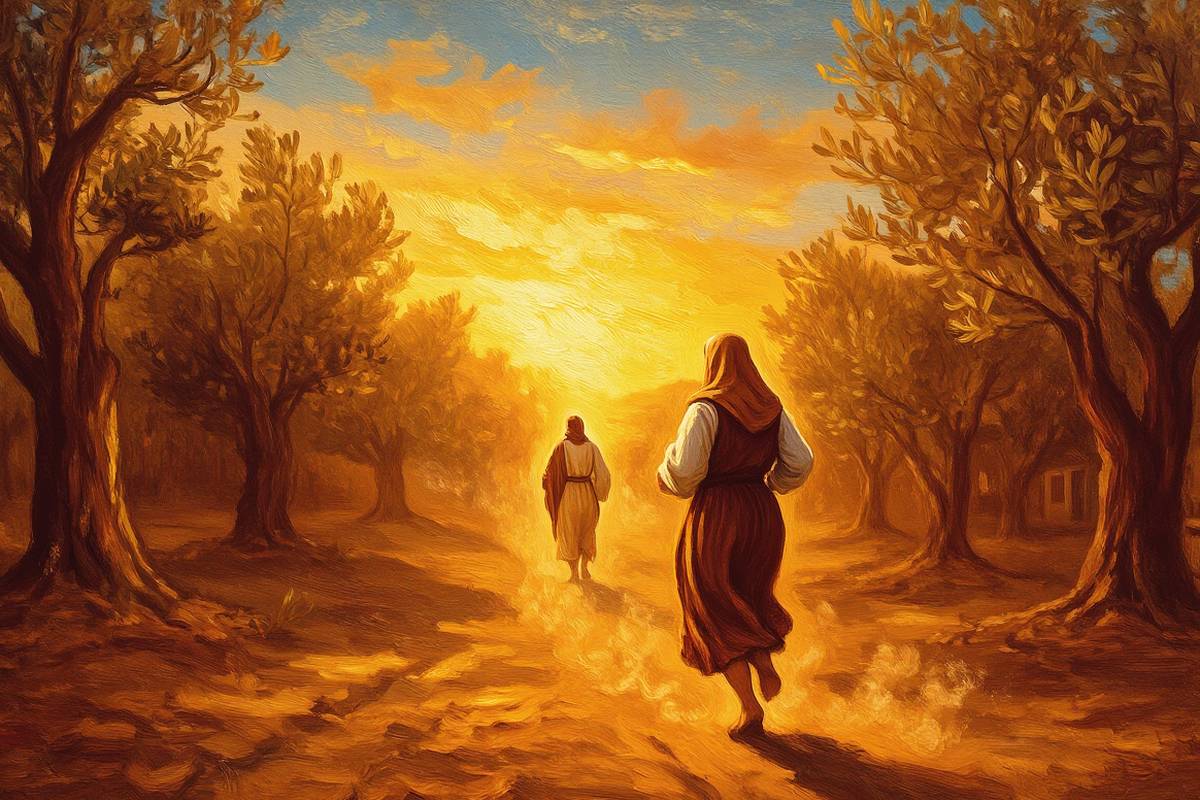
The pastor lists the traits of people motivated to serve. They will use physical strength almost to the point of exhaustion, take on any challenge and stick with it until it is finished. They notice others’ preferences and remember details. They prefer projects with immediate results and may be intimidated by long-range goals, because they tend to think, “I can do it myself.”
Jesus is the model. Philippians 2:5–11 says to let this mind be in you which was also in Christ Jesus, who made Himself of no reputation, took the form of a bondservant and humbled Himself to the death of the cross, and God highly exalted Him. People truly motivated to serve, he notes, rarely let you know what they did or how long it took.
He gives three guidelines for those who carry the gift of serving:
- Do the task God gave you. Do it heartily, as to the Lord and not to men (Colossians 3:23–24), and do not take over work someone else is meant to do. Watch for the immature desire for recognition.
- Keep your priorities straight. Constant serving can crowd out your personal relationship with Jesus; stay in the Word and prayer.
- Do not interfere with God’s dealings. Sometimes helping someone blocks a lesson God is teaching them.
He illustrates the third with a man in the church who kept doing work for a family that lived off others. The pastor counseled him to step back and let God work. Two weeks later the family thanked him for not coming: they had prayed, dug in, finished the job themselves and felt good about it.
Martha: A Server Who Met the Resurrection
The pastor closes with Martha, a person motivated to serve. In Luke 10:38–42 it was Martha who welcomed Jesus into her house. Mary sat at His feet, and Martha, distracted with much serving, asked Jesus to tell her sister to help. Jesus said Martha was worried and troubled about many things, but one thing is needed, and Mary had chosen the good part.
Jesus did not rebuke Martha for serving, the pastor says. He told her to also take time at His feet, and Martha was teachable. That shows later. In John 11:1–5, when Lazarus was sick, verse 5 says Jesus loved Martha and her sister and Lazarus. Martha is named; Mary is not.
In John 11:17–27, when Jesus finally came, Martha went out to meet Him while Mary stayed in the house with the mourners. Martha told Him that even now God would give Him whatever He asked. Jesus answered, “I am the resurrection and the life,” and asked whether she believed it. She said, “Yes, Lord, I believe that You are the Christ, the Son of God.” The one involved with Jesus in raising Lazarus, the pastor points out, was the server who did what her gift moved her to do.
He applies it to daily work. Pray before you go to work, prepare to serve with the ability of God, and reject lines like “don’t work so hard, you’ll work yourself out of a job.” He quotes a saying: “Good, better, best, I’ll never rest until my good is better and my better is best.” When you come to church, come prepared to serve God’s people, not asking what show they will put on for you.
His last verse is Ecclesiastes 9:10: whatever your hand finds to do, do it with your might, for there is no work in the grave. Our gifts are for this life only. Jesus would rather we be cold or hot than lukewarm (Revelation 3:15–16), and He said He came to build His church (Matthew 16:18). We are called to build it with Him.
Using Your Motivational Gifts This Week
Here are practical steps drawn from this message on the motivational gifts and the gift of serving:
- Ask the question. Pray, “Why did you call me, Lord?” and ask Him what He needs you for in His kingdom.
- Name your gift without comparing. Read Romans 12:3–8 and notice which gift moves you most, without despising it or exalting anyone else’s.
- Treat prayer as a duty. Do not wait for a calling to intercede; pray daily so you are strong against temptation.
- Obey outside your comfort zone. Like the pastor with Kenny the logger, go when God says go, even if it is not your function.
- Serve with excellence. Prepare in the Word and prayer, then do your work heartily as to the Lord, expecting His ability to answer.
- Sit at His feet too. If serving is your gift, guard your time with Jesus and let God finish His work in others.
Timestamped Outline
- 0:00 Opening prayer: part five of the series
- 1:06 Why did you call me, Lord?
- 2:07 A covenant of ownership, and marriage
- 4:24 Gifts to get us up and over: Psalm 46
- 6:35 A river and its streams: three groups of gifts
- 8:52 The fivefold gifts are still needed
- 11:14 Grace gifts and different functions
- 13:32 Romans 12:3–8 read aloud
- 15:45 Intercession is a duty, not a gift
- 16:46 Maturity comes with obedience
- 17:55 The camel and the thorn bush
- 22:50 Helping Kenny the logger
- 28:18 Prophecy recap and the gift of serving
- 33:32 1 Peter 4:9–11: take ownership of your gift
- 36:43 “Eight hours a day worth”
- 39:01 Ischus: the ability of God
- 40:18 Characteristics of servers: Philippians 2
- 42:30 Guidelines for those who serve
- 44:54 Do not interfere with God’s dealings
- 46:40 Martha welcomes Jesus: Luke 10
- 48:45 Jesus loved Martha: John 11
- 52:06 I am the resurrection and the life
- 55:47 Ecclesiastes 9:10 and closing prayer
Motivational Gifts Series
This message is part of a ten-part teaching on the motivational gifts. Start from the beginning or continue with the next message:
- First message: Motivational Gifts #1: The River, the Streams and the 21 Gifts of God
- Previous: Motivational Gifts #4: The Gift of Serving and the Ability God Supplies
- You are here: Motivational Gifts #5 — Why Did You Call Me, Lord? The Gift of Serving and Martha’s Example
- Next: Motivational Gifts #6: The Gift of Teaching, Its Strengths and Pitfalls
Frequently Asked Questions
Can I have more than one motivational gift?
The pastor says one gift will usually motivate you most strongly, but you will see several of them at work in your life. As a pastor he had to cultivate every one of them, studying diligently and applying them, so he could see the whole picture instead of being “keyholed” into one concern. Some of that growth, he admits, came by necessity, such as doing office work he dislikes while the church had no secretary.
How should someone with a prophetic gift avoid becoming suspicious?
He teaches that people motivated by prophecy discern the condition of the heart and the motives behind actions, and he listens when they sense something is wrong. But they must use Scripture as their guide, not opinion. Past hurts can tint our glasses, so that someone new seems like the person who wounded us. True discernment, he says, has to be spiritually discerned rather than assumed.
Why does it matter how I do my everyday job?
Because whatever you do, you reflect the One you serve. The pastor compares believers to trained servants in a king’s house whose excellent work makes guests take notice. He urges people to pray before work and give real effort, rejecting the union-hall attitude of not my job. Serving with excellence, he teaches, opens the way for God’s ability and for revelation you would not otherwise hear.
Scripture References
All passages open in the New King James Version on Bible Gateway:
- Romans 12:3–8 — the seven motivational gifts
- Psalm 46:1–5 — a very present help and a river of streams
- Ephesians 4:8–13 — the ascension gifts
- 1 Corinthians 12:1 — do not be ignorant of spiritual gifts
- 1 Peter 4:9–11 — stewards of the manifold grace of God
- Philippians 2:5–11 — the mind of Christ, the servant
- Colossians 3:23–24 — work heartily, as to the Lord
- Luke 10:38–42 — Martha and Mary
- John 11:17–27 — I am the resurrection and the life
- Ecclesiastes 9:10 — do it with your might
How this summary was made: written with AI assistance from the sermon’s own transcript and checked against the Scriptures listed above.
Watch More Messages
If this message helped you see why God called you, there are hundreds more teachings from NTC Ministries waiting for you. Browse the full sermon archive and keep discovering the gifts He has placed in your life.