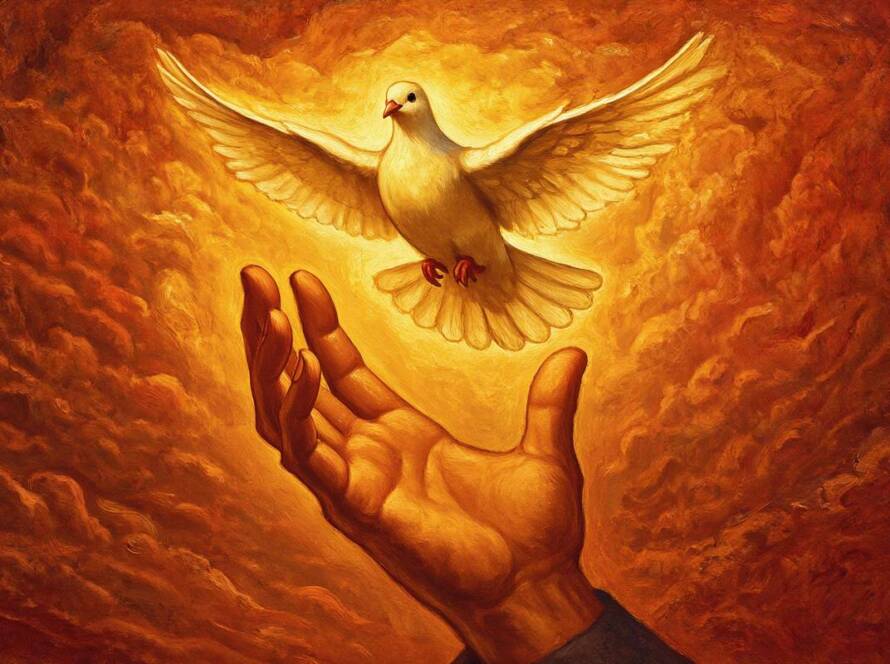
Drawing near to God means wanting to be closer to Him, more than you want anything this world offers, and then acting on that desire. This message opens a new series at NTC Ministries with a vision the pastor received during Wednesday night prayer: mountains rising out of the land across Wisconsin. From Scripture he shows that mountains point to people drawing near to God, and that God promises to draw near to everyone who draws near to Him.
Below you will find the full video, a structured summary of the sermon, the Scripture behind each point (linked to the New King James Version on Bible Gateway), a timestamped outline, and practical steps for drawing near to God this week.
Sermon at a Glance
This is the first message in a nine-part series at NTC Ministries, posted in December 2025. It runs about 53 minutes and ends with a prayer of commitment. The pastor says he had planned for nearly two years to teach on drawing near to God after a series on our heavenly Father, and the vision confirmed that the time had come.
He opens by inviting everyone to the church’s Wednesday night prayer, where he says the presence of God falls. To learn to pray, he advises, get around people who know how to pray and copy them.
| Detail | Information |
|---|---|
| Speaker | The pastor of NTC Ministries (not named in the recording) |
| Series | Drawing Near to God, part 1 of 9 |
| Main text | Psalm 72:3; James 4:1–10; Exodus 3:1–6 |
| Key theme | God draws near to those who humble themselves and draw near to Him |
| Length | About 53 minutes, ending in prayer |
A Vision of Rising Mountains
A couple of weeks before this message, during Wednesday prayer, the pastor says God gave him a vision. He was looking down on the state of Wisconsin. In his area and to the north, steep mountains began popping up and growing quickly, some very tall and some less so, and then they spread down through the rest of the state. He went home to pray about its meaning.
He explains why the picture stood out. Wisconsin is mostly gentle, rolling land. Its highest points, Rib Mountain at 1,942 feet, Timms Hill at 1,951 feet and nearby Irma Hill at 1,756 feet, rise only five or six hundred feet above the local airport at 1,318 feet.
To interpret it, he turns to Romans 1:20–21: since the creation of the world, God’s invisible attributes are clearly seen through the things that are made, even His eternal power and Godhead. Those who saw it but did not glorify Him or give thanks fell into darkness.
Plant corn and you know corn will come up; God is not mocked, and whatever a man sows he will reap (Galatians 6:7). So when God shows us something in creation, we go to the Bible to learn what it means, and that is how the pastor began drawing near to God about this vision.
Mountains, Peace and the Gift of Righteousness
The key verse he found is Psalm 72:3: “The mountains will bring peace to the people, and the little hills, by righteousness.” He draws out two things. The fruit of righteousness is peace. And our own righteousness, without God, is like filthy rags (Isaiah 64:6).
When we give our lives to Jesus, He gifts us with righteousness. Those who receive abundance of grace and the gift of righteousness will reign in life (Romans 5:17), and that righteousness immediately brings peace. As a pastor he has visited people who went to church all their lives but were gripped by fear as death came near. They needed Jesus, he says. They had never received the gift of righteousness, or peace would have come.
In Scripture, he teaches, mountains point to drawing near to God. The vision, then, is a picture of people across the region beginning to desire God, turning their hearts from this world toward the presence of God. He recalls a young couple who drove past the church, felt they had to come in, were born again and began living right. That desire to change is repentance.
The pattern runs through the Bible. God brought Moses up Mount Sinai to meet with him and show Israel how to live. Jesus went up the Mount of Transfiguration, where Moses and Elijah appeared and His face shone like the sun. When Peter offered to build tents, the Father spoke from heaven and told them to hear His beloved Son (Matthew 17:1–5). Our desire to hear Him, the pastor says, is what draws us into that more intimate place.

Believe and Be Baptized: Submerged Into Christ
A church member had asked the pastor that morning about Mark 16:16: he who believes and is baptized will be saved, but he who does not believe will be condemned. The pastor answers that there is more than one baptism. To baptize means to submerge into something. He demonstrates with a pin and a glass of water: sprinkling is not baptism; dropping it in is.
He names several baptisms: in water, in the Holy Spirit, John’s baptism of repentance, and the baptism into Christ that Paul describes. Jesus had nothing to repent of, yet He was baptized by John to fulfill all righteousness (Matthew 3:15). When the Pharisees and Sadducees came, John asked who had warned them to flee the wrath to come and told them to bear fruit worthy of repentance (Matthew 3:7–8).
Repentance means changing the way you think and what you believe. Those religious leaders never changed. They handed Jesus over to be killed because He kept showing mercy and healing. We, by contrast, are to believe in Jesus and be submerged into His grace, love and goodness. In Him we live and move and have our being (Acts 17:28).
A person can be born again and baptized into Jesus, the pastor says, and still go to heaven without being baptized in water or in the Holy Spirit. But being baptized in water without being baptized into Jesus saves no one; you went down a sinner and came up a wet one. Believing, in Mark 16, is not saying “I believe” and carrying on as normal. There has to be something in your heart that desires Him more than things. If you are risen with Christ, seek those things which are above (Colossians 3:1).
From that intimacy comes help. David said, “I’ll lift up my eyes to the hills from whence comes my help my help comes from the Lord who made heaven and earth” (Psalm 121:1–2). We are heirs of God and joint heirs with Christ (Romans 8:17); His protection and provision are ours.
Drawing Near to God in James 4
The pastor notes that the world is in turmoil, with people so turned in on themselves that they do not care whom they hurt. Drawing near to God is the answer. Scripture warns that lawlessness will abound (Matthew 24:12), and Paul that some would depart from the faith, giving heed to deceiving spirits (1 Timothy 4:1). It is a hard time, he says, but for believers it does not have to be. God lifts us above it, and we need His presence for that.
Almost every message he preaches is about how good God is, but at some point we must answer: I desire Him too. He reads James 4:1–10. Quarrels come from desires at war within us. We do not have because we do not ask, or we ask with wrong motives, for our own pleasure.
That is like a relationship where you only want what someone can do for you; eventually they will not call you a friend. Jesus said, “You are My friends if you do whatever I command you” (John 15:14). Friendship with God means hearing Him and obeying, and obedience is one of the ways of drawing near that the series will explore.
James calls the church adulterers, people who have God but look to the world for what they want. Friendship with the world is enmity with God. The prodigal son eventually came to himself (Luke 15:17), and the rising mountains are a picture of people coming to their senses and reaching out to know God.
God resists the proud but gives grace to the humble. Humility is the posture of the kingdom. The pastor points to God kneeling in the dirt to breathe life into Adam (Genesis 2:7), and to Jesus, born in a stable, obedient to His parents (Luke 2:51), washing feet, riding a donkey, and humbling Himself to the death of the cross, so that every knee will bow (Philippians 2:8–11).
Pride does not feel the need for intimacy with God; it only calls on Him when stuck. He points to the ten virgins, where the foolish were told that the Lord did not know them (Matthew 25:1–13). Then comes the verse that names the series: submit to God, resist the devil and he will flee, draw near to God and He will draw near to you. Wash your hands, purify your hearts, and humble yourselves, and He will lift you up.
| James 4 instruction | What the pastor says it means |
|---|---|
| Humble yourselves before God | Take the posture of the kingdom; pride feels no need for intimacy |
| Resist the devil | Stop feeding on evil; start hearing God and seeing His goodness |
| Draw near to God | Put time and effort into knowing Him, not just what He can do for you |
| Cleanse your hands, purify your hearts | Repent: change your ways, because whatever is not of faith is sin |
| Lament and mourn | Let your heart be heavy when you are distant from His presence |
Whatever is not from faith is sin (Romans 14:23), and faith, he explains, is building a relationship with God. He wants to know you and to be known. Our relationship with Him should be close, but He is still God. Even raised in a pastor’s home with church and a Christian school, he says, each of his children had to come to God personally.
Why mourn? Imagine newlyweds separated for a month. A husband would not grieve because no one is baking pies, and a wife would not grieve because the grass needs mowing. They grieve because the one they love is gone. As a boy, the pastor rode his bike five miles past the house of the girl who became his wife while she was away at camp. Why, he asks, are our hearts not heavy when we lack God’s presence?
A Jealous God Who Wants Your Heart
You can know an athlete’s team and statistics without knowing him, the pastor says. That is religion. Some want to know God only for an advantage, like a Hollywood relationship.
In Exodus 34:14, God says you shall worship no other god, for the Lord, whose name is Jealous, is a jealous God. God is sovereign, existing without any outside aid. Years ago, when a Dallas college instructor said God made man because He was lonely, the pastor says the Lord immediately told him that this was not so, pointing him to God’s word that He does not change (Malachi 3:6).
But God is love, and love needs an object to be expressed to. Jealousy is attached to love: a husband wants his wife to know only his love. God does not need your boat, your sport or your spouse to come first. He wants to be your consuming love, and then every other love finds its right place. Love is kind and never fails (1 Corinthians 13:4–8).
Only the presence of God, the pastor says, makes his eyes twinkle. Everything that pertains to life and godliness is his in Christ (2 Peter 1:3). What would it profit a man to gain the whole world and lose his soul (Mark 8:36)?
David, watching sheep under the sky, wondered why God is mindful of man, yet made him a little lower than the angels and crowned him with glory and honor (Psalm 8:3–9). That God gives you His total attention all the time. He does not mind you desiring to grow, as long as those desires do not consume your attention.
God’s call to draw close often comes at an inconvenient time. At the wedding in Cana, Jesus said His hour had not come, yet Mary told the servants to do whatever He said (John 2:1–11). She knew, the pastor says, that you strike while the iron is hot.
Moses Turns Aside: When God Speaks
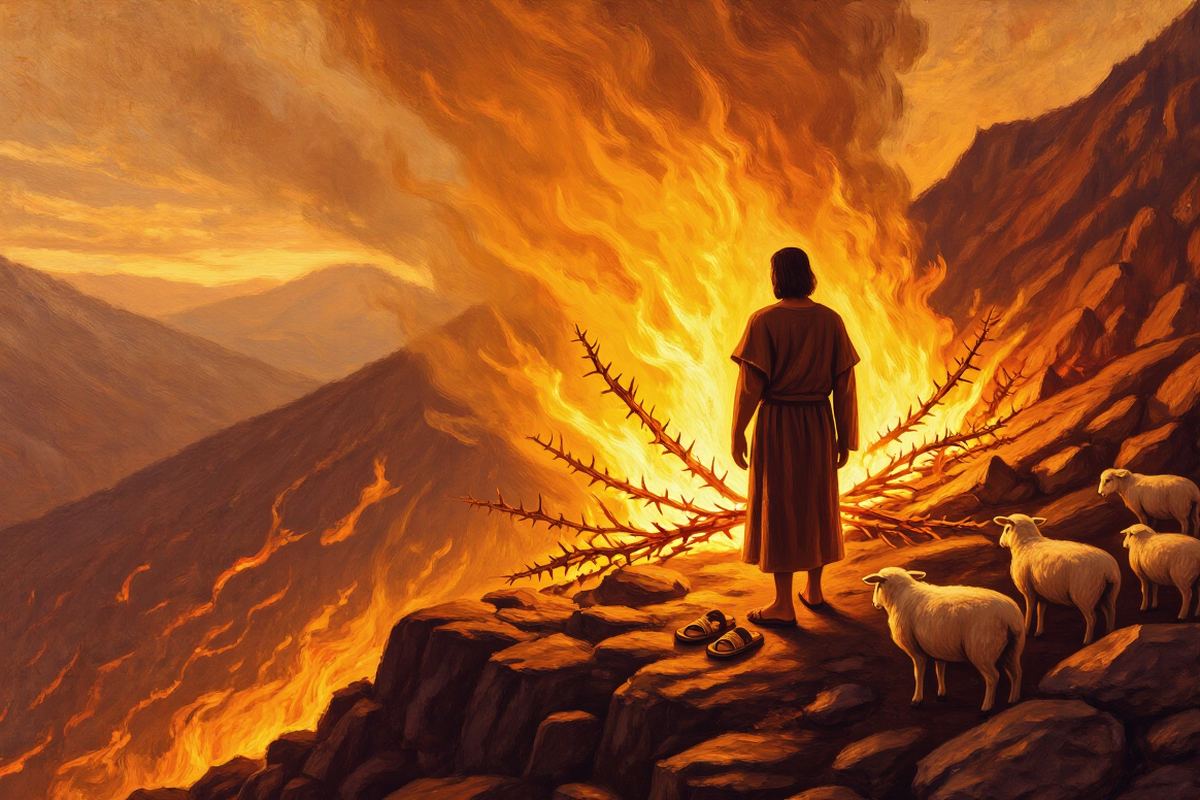
In Exodus 3:1–6, Moses was busy tending Jethro’s sheep when he came to Horeb, the mountain of God, and saw a bush that burned without being consumed. He said he would turn aside to see it. Only when the Lord saw him turn aside did God call to him from the bush: “Moses, Moses!” He told him to take off his sandals, because he stood on holy ground.
The pastor’s point is that God did not speak until Moses moved toward Him. Drawing close made it a holy encounter. In Ezekiel, God says His people had profaned His holy name among the nations (Ezekiel 36:20–23). Jesus taught us to pray, “Hallowed be Your name” (Matthew 6:9). We hallow it by drawing near and changing direction. Each of us needs our own God encounter.
He tells of a wealthy man who stopped at the church before heart surgery and asked for prayer. As the pastor prayed, he says, the Lord told him the man’s heart would be fine and he would be there only half an hour. A couple of weeks later, the pastor reports, the man returned and said it had happened exactly that way, and he gave the church a $20,000 check. Yet when the pastor invited him to receive Christ, he was not ready. He had too much to do to let God interrupt his life.
God satisfies with His presence. In Jeremiah 29:11–14, He promises plans of peace, a future and a hope, and then: you will seek Me and find Me, when you search for Me with all your heart. I will be found by you, and I will bring you back from your captivity.
He closes the teaching by returning to the vision. Because he had been seeking God about this series, God showed him that this is the time to see it fulfilled. As desire for God grows, the mountains will rise. An intimate encounter with God, he says, will revolutionize who you are, and out of your heart will flow rivers of living water (John 7:38).
Drawing Near to God This Week
The message ends with a prayer asking God’s forgiveness for living without an intimate relationship with Him, and a commitment to draw near to Him every day. Here are practical steps from the sermon:
- Join others in prayer. Find people who know how to pray, listen to them and learn from them.
- Turn aside like Moses. When God gets your attention, stop and move toward Him, even if it is inconvenient.
- Seek Him, not just His gifts. In prayer this week, spend time getting to know God rather than only listing needs.
- Humble yourself. Ask where pride has made you self-sufficient, and bring that area to God.
- Guard your eyes and ears. Spend less time on what feeds evil and more on what shows God’s goodness.
- Search with all your heart. Hold on to Jeremiah 29:13: those who seek Him wholeheartedly will find Him.
Timestamped Outline
- 0:00 A new series and Wednesday night prayer
- 1:04 The vision of mountains rising in Wisconsin
- 3:15 Romans 1:20: creation reveals God
- 4:27 Wisconsin’s highest peaks
- 6:36 Psalm 72:3: mountains bring peace
- 7:46 The gift of righteousness brings peace
- 8:50 Mountains mean drawing near to God
- 9:57 Mark 16:16 and the meaning of baptism
- 12:23 John’s baptism of repentance
- 13:36 Submerged into Christ
- 16:03 Sinai and the Mount of Transfiguration
- 17:16 Psalm 121: my help comes from the Lord
- 20:59 James 4: why we do not have
- 23:20 Friendship with the world
- 24:28 Humility, the posture of the kingdom
- 27:02 Draw near to God and He will draw near to you
- 29:34 Each child must meet God personally
- 30:49 Missing the one you love
- 35:00 Exodus 34:14: a jealous God
- 39:31 Psalm 8: why God cares for us
- 42:14 Water into wine: responding at the right time
- 43:31 Moses at the burning bush
- 47:08 The man who was not ready
- 49:29 Jeremiah 29:11–14: seek Me with all your heart
- 53:14 Prayer of commitment
Drawing Near to God Series
This message opens a nine-part teaching series at NTC Ministries. Continue with the next message:
- You are here: Drawing Near to God #1 — A Vision of Rising Mountains
- Next: Drawing Near to God, Part 2 — Presence, Not Performance
Frequently Asked Questions
Do I have to be baptized in water to be saved?
The pastor teaches that the baptism that saves is being baptized into Christ, submerged into His grace, love and goodness through real faith. He says a person who is born again and baptized into Jesus will go to heaven even without being baptized in water or in the Holy Spirit. But water baptism without being baptized into Jesus saves no one: you go down a sinner and come up a wet one.
Why does God call Himself jealous?
Because jealousy is attached to love. The pastor compares it to a husband who wants his wife to know only his love. God does not need anything from us, but He is love, and love wants to be received. He wants to be our consuming love so that every other love, for family, work or hobbies, falls into its right place and proportion.
What if God’s timing feels inconvenient?
The pastor admits that God’s call to draw close often comes at the least convenient moment, but says that is when we have to respond. Moses was at work tending sheep when he turned aside to the burning bush. The wealthy man healed before surgery felt he had too much to do. Mary, at Cana, knew to act while the moment was there.
Scripture References
All passages open in the New King James Version on Bible Gateway:
- Psalm 72:3 — the mountains bring peace
- Romans 1:20–21 — creation reveals God
- Romans 5:17 — the gift of righteousness
- Mark 16:16 — believe and be baptized
- Psalm 121:1–2 — help from the Lord
- James 4:1–10 — draw near to God
- Exodus 34:14 — a jealous God
- Exodus 3:1–6 — the burning bush
- Jeremiah 29:11–14 — seek Me with all your heart
How this summary was made: written with AI assistance from the sermon’s own transcript and checked against the Scriptures listed above.
Watch More Messages
If this message stirred a desire to know God more, there are hundreds more teachings from NTC Ministries waiting for you. Browse the full sermon archive and keep drawing near to Him.