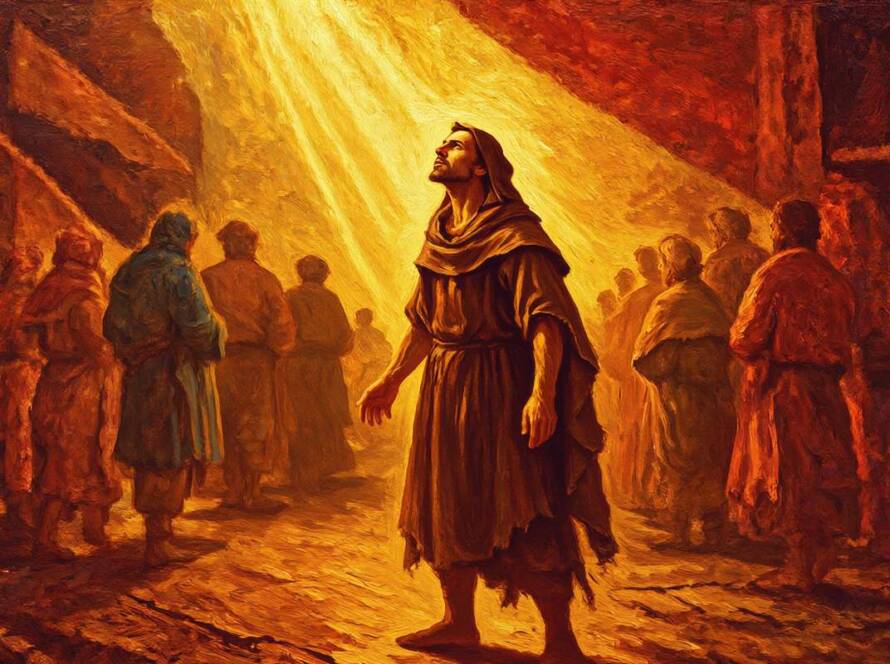
Becoming worshipers means moving past what God does to honor who God is, and the one thing that most often stops us is fear. In this Christmas message, the second in the series, the speaker shows how Jesus came as Emmanuel, God with us, gently and as a baby, so that fear would no longer keep us out of God’s presence. He follows a wounded Samaritan woman whose desire for God was bigger than her fear. It continues from Becoming Worshipers, Part 1: From Praise to True Worship.
Below you will find the full video, a structured summary of the sermon, the Scripture behind each point (linked to the New King James Version on Bible Gateway), a timestamped outline, and practical steps for becoming worshipers this week.
Sermon at a Glance
This message was preached during the Christmas season and posted on December 28, 2022. The speaker explains that he chose to keep going with his series on becoming worshipers rather than switch to a holiday topic, because it fits Christmas so well. Christmas is the story of God coming close, and worship is what happens when we let Him.
The sermon moves from praise and worship, through the problem of fear, to the woman at the well and the Christmas story, and ends with an invitation to let God reveal who He is.
| Detail | Information |
|---|---|
| Speaker | The pastor (not named in the recording) |
| Series | Becoming Worshipers (part 2, Christmas) |
| Main text | John 4:19–26 and Luke 2:4–14 |
| Key theme | Letting desire for God overcome fear so we can worship Him for who He is |
| Length | About 33 minutes, ending in prayer |
Praise and Worship: What God Does and Who He Is
When a church gathers, the speaker says, we often call the opening music praise and worship. They are related but not the same. Praise is recognizing what God has done and what He is able to do, and then expressing our gratitude with all our hearts. Psalm 100:4 tells us to enter His gates with thanksgiving and His courts with praise, and Psalm 150:2 says, “Praise Him for His mighty acts; praise Him according to His excellent greatness.”
Believers should be people of praise all their lives, he says, but praise is not the end of the road. Worship goes beyond all of God’s blessings and all that He can do. It is recognizing who God truly is, being grateful for it, and showing our admiration. It is humbling ourselves before Him: He is God and we are not.
The trouble, he says, is that many people learn to live only in praise. God will do this for you, God can do that for you. The only time they really relate to God is in response to what He does. Yet before anything else, God wants us to relate to Him for who He is.
Adam shows what that looked like. God planted a vast garden, created Adam and placed him there, and Adam and Eve needed nothing. When God walked with them in the cool of the day (Genesis 3:8), they were not praying for help or for things. They were simply recognizing who He is. The first thing Adam saw, the speaker imagines, was the glorious God, and that was meant to be man’s relationship with Him.
We now live in a fallen world, through no doing of our own but because of Adam, our first representative. So we do have needs, we call on God, and He answers. That is the purpose of praise. But He still wants every one of us to become worshipers. Psalm 90:1–2 says, “Lord, You have been our dwelling place in all generations,” and from everlasting to everlasting, You are God. That is where God wants us to live.
Fear, the Ever-Present Attendant
There is a problem, the speaker says. With the fall and the corruption that came into the world, fear came upon every person. He teaches that the Hebrew word for fear carries the idea of an ever-present attendant. Fear stays with us all our lives. We can respond to it, or we can become worshipers of God and stop feeling its effects and its pressure.
He has watched this happen in services. When God’s presence fills the room, people who came only for what He can do grow uncomfortable, and some visitors have even left. Fear overpowered their desire for God.
That is why Jesus came into the world: to destroy the effects of fear. The speaker plants it as a seed from Hebrews 2, which says Jesus came to release those who through fear of death were all their lifetime subject to bondage (Hebrews 2:14–15).
He links fear closely to the law. The law, he says, supports fear. It makes everyone think they are not doing enough, not good enough, and not doing it at the right time. Even when you try to encourage someone, fear whispers that you did not say enough, that you said the wrong thing, that it will backfire on you. That is the voice of fear, and Jesus came to silence it.
The table below follows the contrasts he draws through the message between living by fear and becoming worshipers.
| Living by fear | Becoming worshipers |
|---|---|
| Relates to God only for what He does | Honors God for who He is |
| Feels uncomfortable when His presence comes | Welcomes His presence and lets Him draw near |
| Complains when God works on another timetable | Trusts the fullness of His time |
| Asks for a sign before believing | Believes because of who Jesus is |
| Disappears once the need is met | Keeps coming back to worship |
In the Fullness of Time
Galatians 4:4–5 says, “When the fullness of the time had come, God sent forth His Son, born of a woman, born under the law, to redeem those who were under the law, that we might receive the adoption as sons.” The speaker teaches that Israel had lived under foreign domination for about four hundred years before Jesus came, and the people were angry with God because it was not happening on their timetable.
Micah had promised the ruler would come from Bethlehem (Micah 5:2), which the speaker says means the house of bread. Yet many grumbled that God was slacking. In the fullness of time, at the best time, the exact time when there could be no other, God sent His Son to redeem us from the bondage of fear. Israel only thought of being redeemed from Rome.
God even used Rome’s census, which sent Joseph and Mary to Bethlehem at exactly the right time. Emmanuel, God with us, arrived on a cold night at one of the darkest times in Israel’s history.
He did not come as a judge or a lawgiver. He came as a baby, full of grace and truth (John 1:14–17), to heal and restore every life and bring peace to the world. The world did not understand how that peace would come, and fear still kept people from coming into God’s presence. That is why Jesus came to reveal the Father; to see Him is to see the Father (John 14:9).
The Woman at the Well: Becoming Worshipers in Spirit and Truth
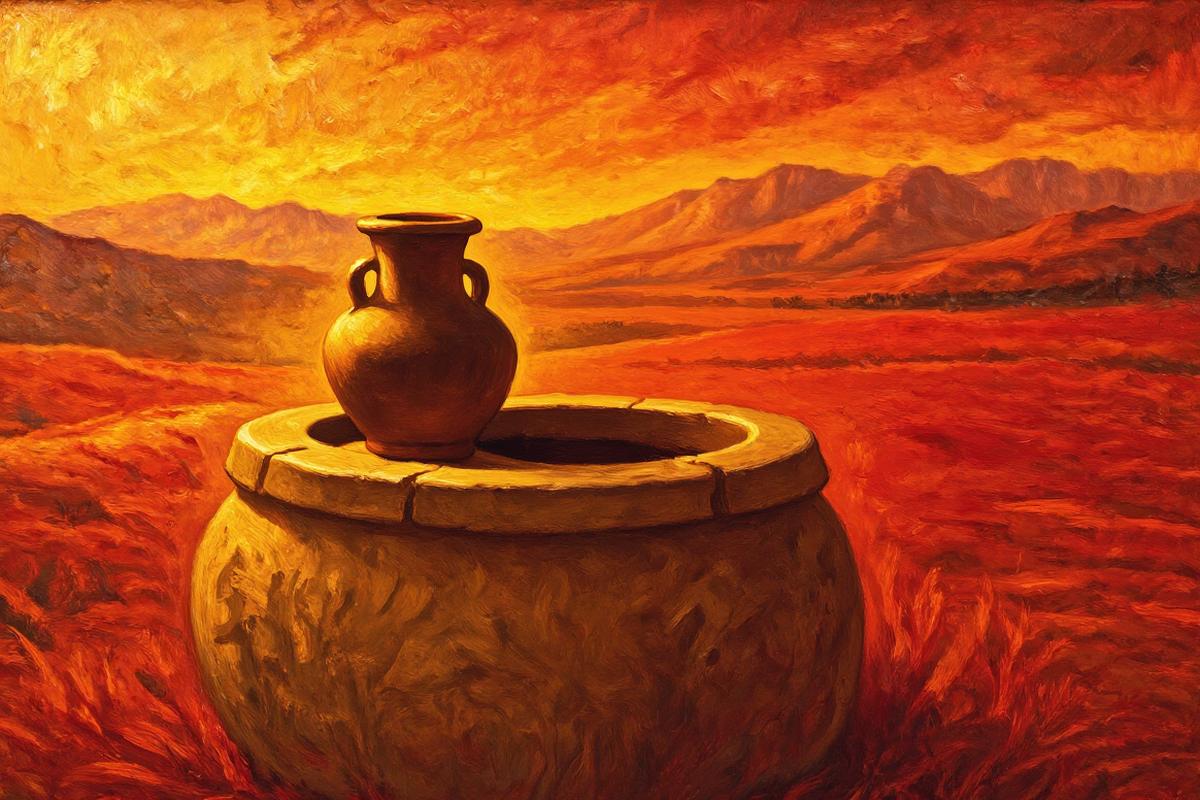
The speaker turns to the Samaritan woman. She had a hard life. She was wounded emotionally and mentally, let down, despised and friendless. She came to Jacob’s well in the heat of the day instead of the cool morning, when the other women came and talked together. Jesus sent His disciples into town for food and went to the well to meet her.
He did not do anything special for her. He simply asked her for a drink. She answered with surprise that a Jew would ask a Samaritan for water, and the speaker hears fear in that reply: You don’t know who I am; why would You do this? Jesus told her that if she knew the gift of God and who was asking, she would ask Him for living water (John 4:10–18), water springing up into everlasting life. Then He told her she had had five husbands, and the man she now had was not her husband.
Something in her was stirred. In John 4:19–24 she said, “Sir, I perceive that You are a prophet,” and she brought up worship. Where should people worship, on this mountain or in Jerusalem? Of all the things she could have asked, she asked about the place where man was always meant to live with God.
Jesus answered that the hour is coming, and now is, “when the true worshipers will worship the Father in spirit and truth; for the Father is seeking such to worship Him. God is Spirit, and those who worship Him must worship in spirit and truth.” That, the speaker says, is where we need to be with God.
What set this woman apart is that she did not let fear overcome her desire for God. She had been rejected five times and was embarrassed in her community, yet she had a desire for God. Jesus knows where you are right now too, he says, and He did not come as a lawgiver or a judge. Moses gave the law; Jesus came full of grace, unearned favor, and truth.
Then came the moment of revelation. In John 4:25–26 she said she knew the Messiah was coming, and Jesus said to her, “I who speak to you am He.” The speaker explains why Jesus revealed Himself: she wanted to worship, and worship is honoring God simply for who He is. Many people have no room in their lives for Jesus because, flat out, they are afraid. It is not their fault, he says, but they need a desire for God that is bigger than what is holding them.
Do Not Be Afraid: The Manger and the Bread of Life
He reads Luke 2:4–14. Joseph went to Bethlehem with Mary, who was with child, and she laid her firstborn Son in a manger because there was no room in the inn. Shepherds were keeping watch over their flock by night when the glory of the Lord shone around them, “and they were greatly afraid.” The angel said, “Do not be afraid, for behold, I bring you good tidings of great joy which will be to all people.”
The speaker notices a pattern. When the angel came to Mary, the first words were do not be afraid (Luke 1:30). When the angel came to Joseph, the message was the same (Matthew 1:20). Fear is something God constantly wants to deal with in our lives. That is why Jesus came as Emmanuel, God with us, and since God is love, the speaker says, you could put it this way: love is with us.
He explains the manger from his many trips to Israel. Traditional pictures show a wooden trough, but he says the troughs there were carved stone, some still standing thousands of years later. That kind of carved stone was used to feed animals, to grind wheat for bread, and also to bury the dead. Jesus, laid in Bethlehem, the house of bread, came as the Bread of Life and would die for our sins to take away fear. He connects it to the grain of wheat that must fall into the ground and die to bear fruit (John 12:24).
Picture a little rabbit in your backyard on a cold day. You want to feed it and bring it somewhere warm, but as you walk toward it, it runs, because it is afraid. That is how people are with God. We cannot become God, so God said He would become man, showing everyone His kindness, goodness and love, so that they would open their arms and let Him care for them.
When Israel came out of Egypt, their first complaint was that God had brought them into the wilderness without bread. He did not destroy them; He rained down manna from heaven to show He was there to care for them (Exodus 16:2–4). In John 6:47–51 Jesus says, “I am the bread of life,” the living bread from heaven, and whoever eats of this bread will live forever.

Signs or a Relationship
In John 6:30–33, the religious leaders asked Jesus what sign He would perform so that they could see it and believe. Jesus answered that it was not Moses who gave the bread from heaven, but His Father, and that the bread of God is He who comes down from heaven and gives life to the world. A sign would not bring them into relationship with Him.
The speaker recalls the ten lepers. All were healed, but only one came back to worship, and Jesus asked where the other nine were (Luke 17:15–19). They did not want to live beyond praise. You can know what God does and still die without Him. What would it profit a man to gain the whole world and lose his own soul (Mark 8:36)?
He teaches that the Greek word for worship pictures a dog licking its master’s hand, knowing he is greater and that he loves it. God is so much greater than man, yet He came to love us.
In the charismatic renewal, he recalls, people liked to say Jesus is not a baby anymore. True, he says; He is seated at the right hand of God. But He came as an innocent baby on purpose, so that we would not run away.
The religious leaders wanted a sign; the wounded woman wanted to know how to worship. God could heal a serious disease, provide your needs and clear your debt, the speaker says, and it still would not cause you to know Him. He has seen people pray for a job, a spouse or a restored family, receive it, and then disappear from worship. They like what God does, but they do not know who He is. Fear keeps people small and self-centered.
The Samaritan woman ran into town telling people about a man who told her everything she ever did. Many believed because of her word, and then more believed after hearing Jesus themselves (John 4:39–42). She was one of the first evangelists, the speaker notes, and another woman, Anna in the temple, had spoken of Jesus before her (Luke 2:36–38).
The speaker came to believe in Jesus not because of anything Jesus did for him, but because he recognized who Jesus really was: his Creator, Savior and Lord. Thousands have since believed through his testimony. Paul planted, Apollos watered, but God gives the increase (1 Corinthians 3:6).
Becoming Worshipers This Week
The shepherds heard “do not be afraid,” looked at each other and went to see. They were drawn by who God is. The speaker says God is drawing you the same way today, wherever you are, and if you open up like the woman at the well, He will reveal Himself as your Savior, King and God. Here are steps drawn from the message:
- Separate praise from worship. Thank Him for what He has done, then spend time honoring Him only for who He is.
- Name your fear. When His presence feels uncomfortable, say out loud that fear has no place in your life in Jesus’ name.
- Trust His timing. Replace complaints about delays with trust in the fullness of His time.
- Come back to give thanks. Like the one leper, return to worship after God answers instead of disappearing.
- Let your desire grow. Ask God for a hunger for Him that is bigger than your hurts, as the woman at the well had.
- Tell your story. Share who Jesus is to you; others will press past their fear to meet Him.
Timestamped Outline
- 0:00 Praise: what God has done
- 1:08 Worship: who God truly is
- 2:14 Adam needed nothing
- 3:22 Psalm 90: our dwelling place
- 4:24 Fear, the ever-present attendant
- 5:32 The law supports fear
- 6:43 The fullness of time
- 8:04 Emmanuel, full of grace and truth
- 9:31 The woman at Jacob’s well
- 11:58 True worshipers in spirit and truth
- 13:11 Desire stronger than fear
- 14:32 Luke 2: the birth in Bethlehem
- 16:47 Do not be afraid
- 18:00 The stone manger
- 19:27 The frightened rabbit
- 21:51 John 6: the true bread from heaven
- 24:23 Why He came as a baby
- 26:58 Signs versus knowing God
- 29:29 Believing because of who He is
- 31:09 The shepherds and a closing prayer
Becoming Worshipers Series
This message is part of a six-part series at NTC Ministries. Go back to the start or continue where this one leaves off:
- Previous: Becoming Worshipers, Part 1: From Praise to True Worship
- You are here: Becoming Worshipers, Part 2: Emmanuel, the Woman at the Well and the End of Fear
- Next: Becoming Worshipers, Part 3 — Who Told You That You Were Naked?
Frequently Asked Questions
Is it wrong to ask God for things?
No. The speaker says plainly that we live in a fallen world, we do have needs, and God responds when we call on Him. That is the purpose of praise. His concern is with people whose only connection to God is what He does for them. He wants believers to go further and also relate to God simply for who He is, the way Adam did before the fall.
Why do some people feel uncomfortable when God’s presence is strong?
The speaker’s answer is fear. Since the fall, fear has been an ever-present attendant in every life. When people come only for what God can do and His presence fills the room, fear rises, and some visitors have even walked out. The remedy is a desire for God that is greater than the fear, which is exactly what the Samaritan woman showed.
Why did Jesus come as a baby instead of as a King?
Because God wanted to deal with our fear. The speaker compares people to a frightened rabbit that runs even from someone trying to help it. By becoming a man and arriving as an innocent baby, God came near in the gentlest way possible, so that people would not run but would open their arms and let Him care for them.
Scripture References
All passages open in the New King James Version on Bible Gateway:
- Psalm 100:4 — enter His gates with thanksgiving
- Psalm 90:1–2 — You have been our dwelling place
- Hebrews 2:14–15 — release from lifelong bondage to fear
- Galatians 4:4–5 — the fullness of the time
- John 4:19–24 — worship in spirit and truth
- John 4:25–26 — I who speak to you am He
- Luke 2:4–14 — do not be afraid
- John 6:47–51 — I am the bread of life
How this summary was made: written with AI assistance from the sermon’s own transcript and checked against the Scriptures listed above.
Watch More Messages
If this message drew you closer to God, there are hundreds more teachings from NTC Ministries waiting for you. Browse the full sermon archive and keep growing as a worshiper.