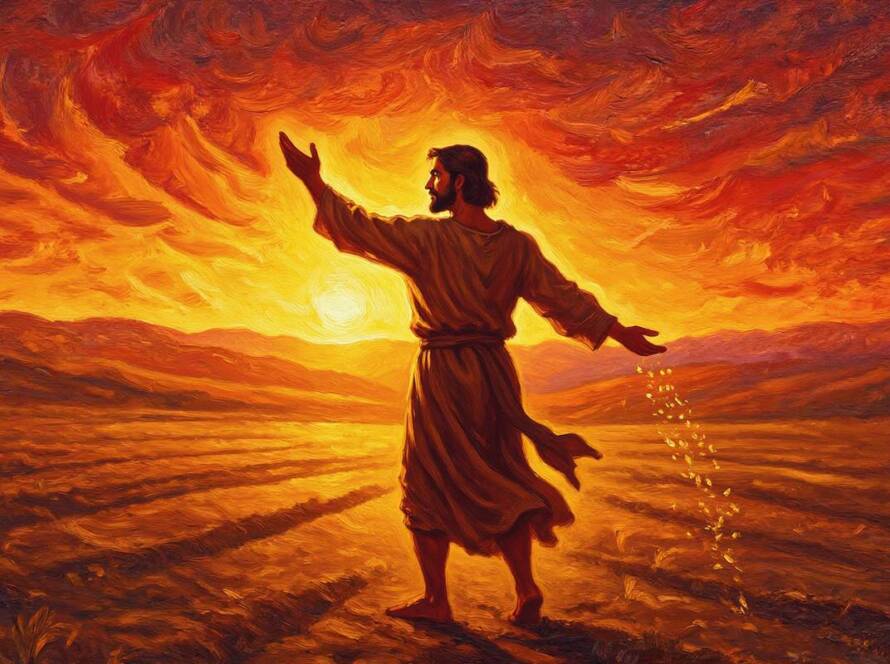
The divine exchange is God’s offer to take our brokenness, problems and defeats and give us His healing, wholeness and peace in return. In this first message of the series, Dr. William Hohman calls it the greatest exchange program ever and lays the foundation for it: hope comes before faith, faith believes it has already received, and one sacrifice on the cross has perfected forever every need we will ever have. He then walks through Isaiah 52, 53 and 54 as the problem, the cure and the covenant of peace.
Below you will find the full video, a structured summary of the sermon, the Scripture behind each point (linked to the New King James Version on Bible Gateway), a timestamped outline, and practical steps you can take this week.
Sermon at a Glance
This message was posted by NTC Ministries on September 4, 2024, and runs about 66 minutes. Dr. Hohman explains that the foundation was laid at a tent meeting at the fair, in a message called “Adam, where are you?” about Jesus coming to heal the brokenhearted. Our own words and actions, and what others say and do to us, chisel away at the soul until every one of us carries some brokenness.
His next message taught on hope and faith, because every kind of healing starts with hope in a promise of God. This sermon closes that foundation and opens a new series on the divine exchange, which will go through every part of the soul: the mind, the will, the emotions and the feelings.
| Detail | Information |
|---|---|
| Speaker | Dr. William Hohman |
| Series | The Divine Exchange (#1 of 4) |
| Main text | Hebrews 10:14 and Isaiah 52–54 |
| Key theme | Hope, faith and the one sacrifice that meets every need |
| Length | About 66 minutes, ending in a prayer of salvation |
The Greatest Exchange Program Ever
Dr. Hohman opens with a picture many will remember: a government program that paid people a few thousand dollars for an old junk car, even one towed in with a rope. God, he says, ran the very first exchange program like that. He says, come to Me, bring your brokenness, bring your problems, bring all of it, and I will give you what you need in its place.
The divine exchange is meant to bless you, increase you and help you become who God created you to be. But it cannot work while you hold a defeated mentality. As long as you are stuck there, he says, you are stuck with no hope, and hope is essential.
That is why God gives promises. In Hebrews 6:17–19, God not only made a promise; He confirmed it with an oath that He will never break, so that our hope would be an anchor for the soul. Even when it does not yet seem to be happening in our lives, the promise is there to hold on to while we press forward.
He also addresses the condemnation many feel when they have not yet received what God said He has given. Take some time, he says. We are people, and things have to be worked through. Sometimes a miracle comes instantly, but the just shall live by faith, so this is a way of life, not a religious formula. Hold a promise long enough and it will germinate and cause faith to come up.
Hope: Always Expecting Good
Reading Hebrews 11:1 together, Dr. Hohman explains that faith is being sure of what we hope for and certain of what we do not see yet. It is there by seed, and that seed will grow and produce. He has the congregation tell one another: it will take place.
He teaches that the Greek word for hope, elpis, means always expecting good. When you expect something other than good, or nothing at all, that is hopelessness. Saying “I know God promised that, but I just don’t expect it in my life” is hopeless. He describes the marks of hopelessness: despair, where a person may look fine but life goes from bad to worse, and the attitude of Murphy’s Law, a worldly law that says if anything bad can happen, it will happen to me.
Another mark is feeling unredeemable. A person with no hope is really declaring there is no Redeemer, only a Savior who might get them to heaven one day. Yes, there is a Redeemer, he insists, and He gives a better life now. Stay in hope until the revelation comes that it is yours.
The difference between hope and faith matters. The table below sets them side by side as he teaches them.
| Hope | Faith | |
|---|---|---|
| What it does | Expects good to happen | Believes it is already yours |
| Picture used | An anchor for the soul; a pioneer into unknown territory | The seed that has germinated and bears fruit |
| Its opposite | Despair, Murphy’s Law, feeling unredeemable | Living by feelings and what you can see |
| Key verse | Hebrews 6:17–19 | Mark 11:24 |
This is why so many believers go from one person to another for prayer. They do not feel any different and do not see anything different, so they conclude they did not receive. They are living by feelings, and feelings profit nothing. In Mark 11:24, Jesus says to believe that you receive when you pray, and you will have it. He did not say when you feel it or when you see something happen.
Young Christians especially still live the way they did in the world, by their own feelings and understanding. But Proverbs 3:5–6 tells us not to lean on our own understanding. Each of us is uniquely designed, yet we all function in God’s kingdom by the same principles. The Bible is the instruction manual. And Psalm 37:4–5 gives the key: commit your way to the Lord, asking what He wants and how He wants it done, and He will bring it to pass.

Perfected Forever by One Sacrifice
The whole message of the gospel, Dr. Hohman says, revolves around one historical event: the sacrificial offering of Jesus Christ on the cross. Hebrews 10:14 says, “For by one offering He has perfected forever those who are being sanctified.” Sanctified means being made holy before God, and Jesus is the author and finisher of our faith.
So even when you are not having your most glorious day or your best month, you are perfect in His eyes. You must start seeing God the way He is, and then see yourself the way He sees you. When you give your life to Jesus, you become the temple of God, filled with the Holy Spirit, who wants to bring to pass all of God’s good pleasure for your life.
He draws attention to two powerful words in that verse: perfected and forever. Together they describe a sacrifice that meets every need the human race would ever have, with an effect that extends through time and into eternity. That is why Paul could write that God shall supply all your need according to His riches in glory by Christ Jesus (Philippians 4:19).
We do not serve the Lord just to get to heaven one day, he says. We give our lives to Him so that heaven can come into us, because we were created to rule and reign in this earth. Every need is covered in every area: soul, mind, body, emotions, and physical and material needs.
And if God is everything we need, then we need Him for everything. He wants to be involved in all of your life, not only when a crisis comes. If the only time you believe you need God is when you are in trouble, you are missing a phenomenal relationship with Him. Nothing is too large or too small for Him to provide.
I AM Who I AM: Knowing God’s Name
Isaiah 52, 53 and 54, Dr. Hohman says, give us the problem, the cure and a covenant of peace. The problem was that Israel had no hope. God’s chosen people kept falling into bondage, and by the time of Jesus they wanted deliverance from Rome without seeing the real bondage in their own souls.
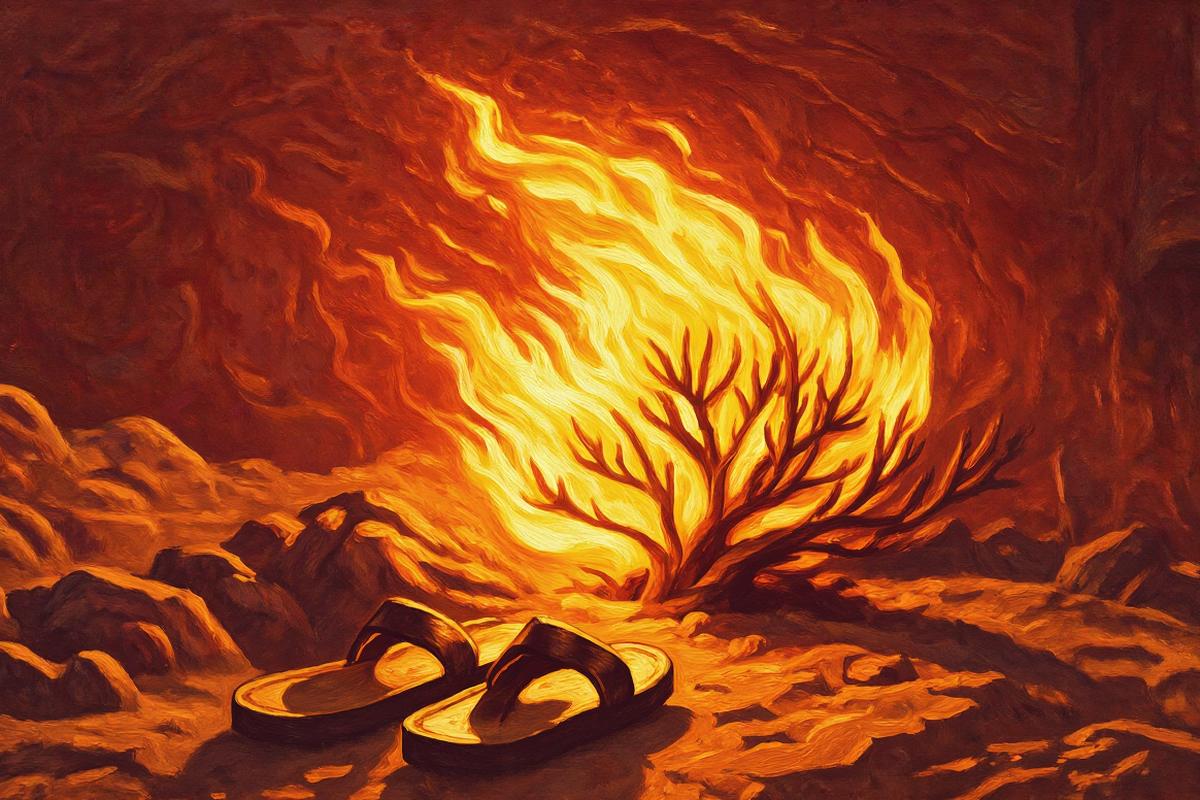
In Exodus 3:13–14, after the burning bush, Moses asks what he should say when Israel asks God’s name. After 400 years of bondage they had lost hope and did not even know who God was. The Egyptians mocked them: where is your God? God answered, “I AM WHO I AM.” Dr. Hohman explains that the name is like a breath, and its meaning is: My very life will supply everything you need.
It was the same at creation. When Adam was formed, the garden was already planted and finished. God simply breathed into him the breath of life, and when Adam opened his eyes he met face to face the One who was everything he needed. Israel was to know God the same way.
So God revealed Himself through His names. As Dr. Hohman lists them, He is Jehovah Shalom, the Lord our peace; Jehovah Shammah, the Lord is there; Jehovah Tsidkenu, the Lord our righteousness; Jehovah Nissi, our banner of victory; Jehovah Mekaddesh, the Lord who sanctifies; Jehovah Rapha, the Lord our healer (Exodus 15:26); and the Lord of hosts, who defends and guards us. As the mountains surround Jerusalem, the Lord surrounds His people (Psalm 125:2).
Anyone who says God makes you sick, he warns, is misrepresenting God’s name. Isaiah 52:4–7 describes God’s name blasphemed continually, and he hears that blasphemy today in voices saying the Lord does not do that anymore. God’s answer is that His people shall know His name, and how beautiful are the feet of those who bring good news and say to Zion, “Your God reigns!”
Salvation, he adds, does not only mean going to heaven one day. As he teaches it, the word includes healing, deliverance, redemption, prosperity and blessing. Your God reigns, so your circumstances do not.
That is why testimony matters. Romans 10:14–15 calls beautiful the feet of those who preach the gospel of peace. When something good happens, do not credit your education or skill. Every good and perfect gift comes from the Father of lights, with whom there is no variation or shadow of turning (James 1:17). It is not by might nor by power, but by My Spirit (Zechariah 4:6).
He explains why he and his wife chose not to tell their children Santa Claus was real. Being told you get nothing unless you behave, he says, teaches children that a gift has to be earned. Many people cannot accept gifts because they feel unworthy, and that destroys hope in God. But all the wrath was poured out on Jesus, and we live in a time of great grace.
The Cure and the Covenant of Peace
Isaiah 53 is the cure. Isaiah 53:4–6 says, “Surely He has borne our griefs and carried our sorrows.” If He carried them, Dr. Hohman asks, why should two people carry the same load? He was wounded for our transgressions and bruised for our iniquities, and by His stripes we are healed. Written about 600 years before Christ, Peter later quotes it in past tense: by whose stripes you were healed (1 Peter 2:24). On the cross, he says, a great exchange took place.
The world never saw God as He really is until Jesus came. In Matthew 8:16–17, He healed all who were sick to fulfill Isaiah’s words. Among them were liars, thieves and broken souls, yet He healed them all. The only qualifier was that they came to receive. He never made anyone sick; He said, come to Me, all you who labor and are heavy laden, and I will give you rest (Matthew 11:28–30).
The greatest thing any believer can do, he says, is spend time in God’s presence, not on a phone or computer, letting Him love you, then being quiet so He can speak. Psalm 103:2–4 sums Him up: He forgives all your iniquities, heals all your diseases, redeems your life from destruction and crowns you with lovingkindness. He corrects, but He never condemns. And all His promises are yes in Christ (2 Corinthians 1:20).
Isaiah 54 is the covenant. In Isaiah 54:6–10, God calls back His people like a wife refused and publicly humiliated. For a moment He hid His face, which Dr. Hohman connects to Jesus crying out on the cross, but with everlasting kindness He will have mercy. As He swore that the waters of Noah would never again cover the earth, He has sworn not to be angry with you or rebuke you. “The mountains shall depart and the hills be removed, but My kindness shall not depart from you, nor shall My covenant of peace be removed.”
He warns against the opposite error, the teaching that everyone is automatically saved. John 1:12–13 says the right to become children of God is given to those who receive Him and believe in His name, born not of the will of man but of God. In His hometown, Jesus could do few mighty works because of their unbelief (Matthew 13:58). There is still something we do: believe.
Living the Divine Exchange This Week
Dr. Hohman tells of praying over video with a minister in India who had tuberculosis and asked why God was not doing His part. Trouble, he answered, does not mean God has left you or that His promises exclude you. Jesus said that in this world you will have trouble, but be of good cheer, for He has overcome the world (John 16:33). Rather than learning to cope with the problem, learn to live with Jesus.
Here are the practical steps drawn from this divine exchange message:
- Bring God your brokenness. Name the problems and hurts you have been carrying and hand them to Him in prayer.
- Hold the promise. Choose one promise of God and keep it before you as an anchor until faith rises.
- Believe you have received. When you pray, thank God that it is yours, whether or not you feel any different.
- Commit your way to Him. Ask the Lord what He wants you to do and how, instead of doing it your way.
- Spend time in His presence. Set aside quiet time, away from screens, simply to let Him love you and speak to you.
- Testify of His goodness. When something good happens, tell people it was God.
He closes by inviting anyone who has never had a heart transformation to receive Jesus, the greatest exchange of all: God takes out the heart of stone and gives a heart of flesh (Ezekiel 36:26). It is the goodness of God that leads us to repentance.
Timestamped Outline
- 0:00 Adam, where are you? Healing the brokenhearted
- 1:01 Hope is the pioneer to faith
- 2:09 The greatest exchange program ever
- 3:11 Hebrews 6: a promise and an oath
- 5:16 Hebrews 11:1 and what faith is
- 6:21 Hope means always expecting good
- 8:50 Faith versus feelings
- 10:04 Mark 11:24: believe that you receive
- 12:20 Commit your way to the Lord
- 13:30 Hebrews 10:14: perfected forever
- 15:58 My God shall supply all your need
- 18:44 Isaiah 52–54: problem, cure, covenant
- 19:58 Exodus 3: Israel had no hope
- 23:19 I AM WHO I AM
- 24:34 The names of God
- 27:38 Isaiah 52: My people shall know My name
- 31:31 Beautiful feet and the power of testimony
- 33:42 Why gifts cannot be earned
- 36:00 Isaiah 53: the cure
- 39:42 Time in God’s presence; Matthew 8
- 47:13 Isaiah 54: the covenant of peace
- 51:46 Not everyone is automatically saved
- 1:00:09 Be of good cheer in trouble
- 1:02:47 Invitation and prayer of salvation
Divine Exchange Series
This is the first message in a four-part teaching series at NTC Ministries. Continue with the next message:
- You are here: The Divine Exchange #1: Hope, Faith and the Greatest Exchange Program Ever
- Next: The Divine Exchange #2: One Sacrifice That Perfected Forever
Frequently Asked Questions
What if I have been prayed for and nothing seems different?
Dr. Hohman says this is exactly where many believers go wrong. They do not feel or see a change, so they assume they did not receive and go looking for someone else to pray. That is living by feelings. Instead, believe you received when you prayed, hold the promise as an anchor, and give it time. Like a seed, the promise germinates and grows before the fruit appears.
Does God get angry with believers when they fail?
According to Isaiah 54 as he teaches it, no. God compares His covenant of peace to His oath to Noah: as the flood will never return, He has sworn not to be angry with His people or rebuke them. He does correct, which Dr. Hohman likens to a GPS rerouting you, but His mercy is everlasting and His correction comes in love, not condemnation.
Why does this message say not to rely on our own effort?
He warns against what Paul calls will worship, the idea that “I will do this” in my own strength. As an example, he describes deciding to fast and then feeling desperately hungry after one missed meal. The divine exchange is not achieved by might or power. God, the I AM, supplies what we need, and our part is to receive, commit our way to Him and stay teachable.
Scripture References
All passages open in the New King James Version on Bible Gateway:
- Hebrews 10:14 — perfected forever by one offering
- Hebrews 6:17–19 — hope as an anchor for the soul
- Mark 11:24 — believe that you receive
- Exodus 3:13–14 — I AM WHO I AM
- Isaiah 52:4–7 — My people shall know My name
- Isaiah 53:4–6 — by His stripes we are healed
- Isaiah 54:6–10 — the covenant of peace
- Philippians 4:19 — God shall supply all your need
- John 1:12–13 — the right to become children of God
How this summary was made: written with AI assistance from the sermon’s own transcript and checked against the Scriptures listed above.
Watch More Messages
If this message gave you fresh hope, there are hundreds more teachings from NTC Ministries waiting for you. Browse the full sermon archive and keep growing in the goodness of God.